
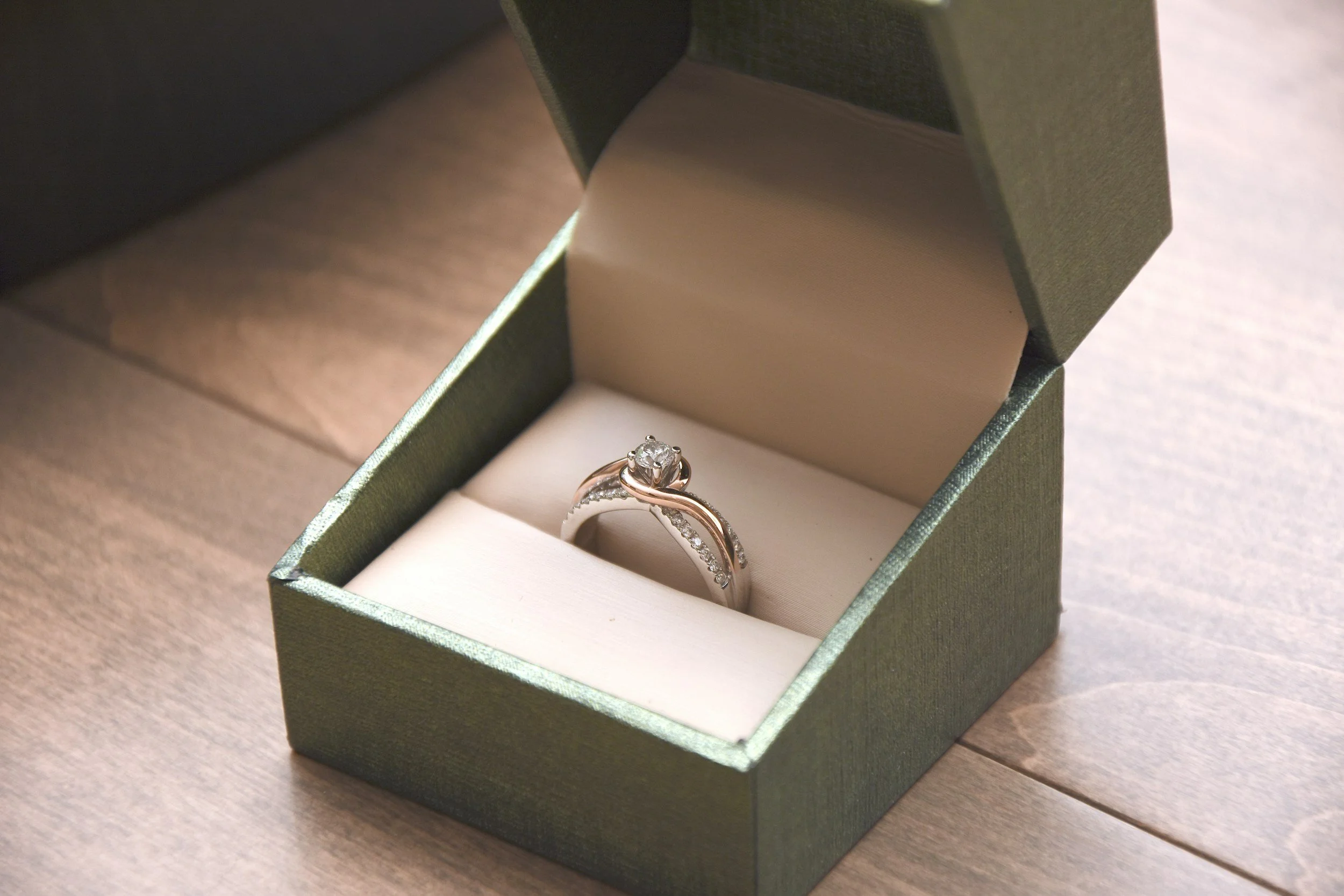
Upgrading Your Engagement Ring
An upgrade isn't an admission that the original ring wasn't enough, it's often proof of how much has changed since you first wore it.
"Upgrade" makes it sound like the original ring wasn't enough. In our experience, that's rarely the real reason someone considers it. Most upgrades aren't about correcting a mistake — they're about marking how much has changed since the ring was first chosen.
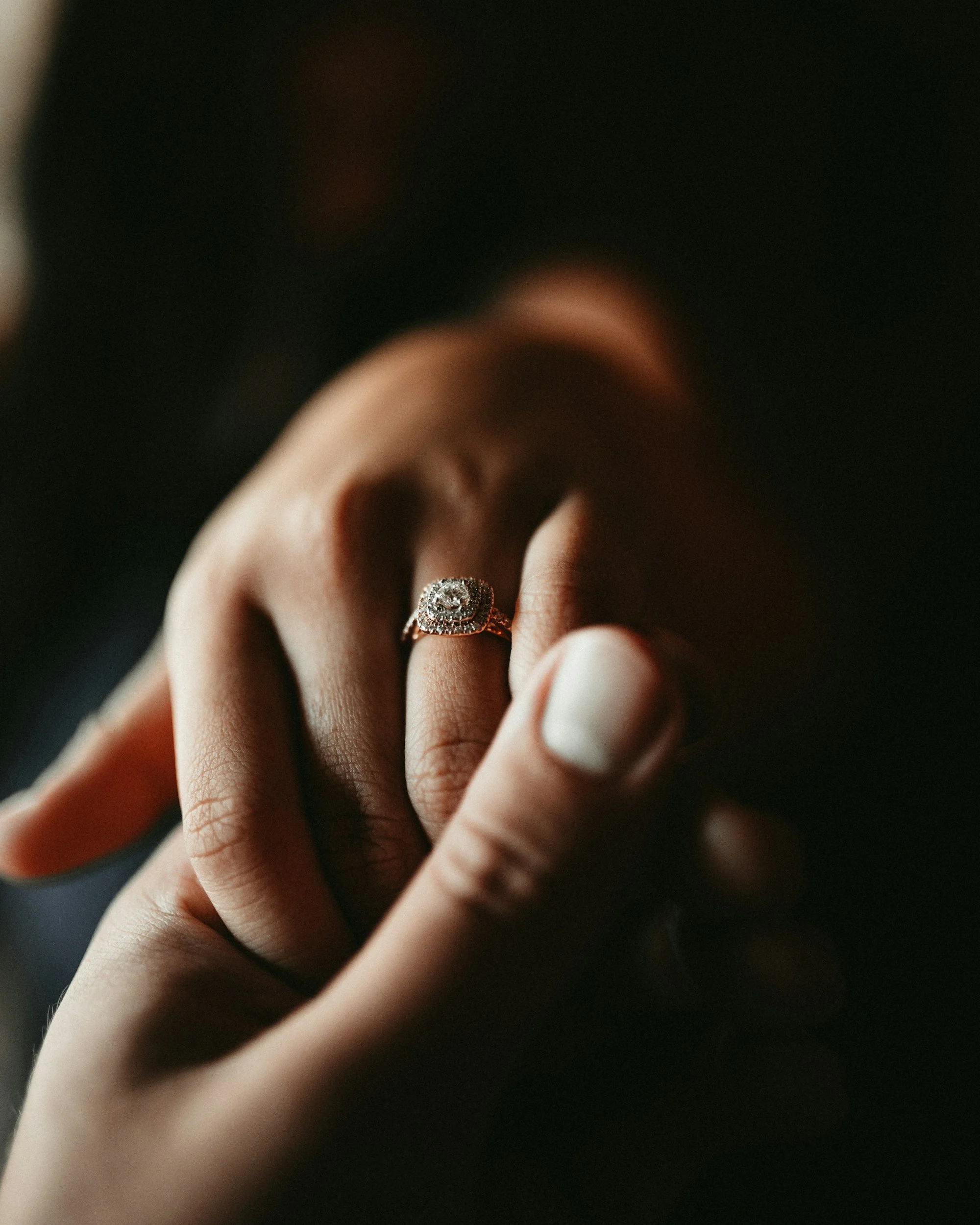
Why Couples Actually Upgrade
A change in finances. Early in a relationship, budget often shapes the ring more than taste does. As a couple's financial picture improves — a promotion, a business finding its footing, years of building something together — upgrading the ring can be less about the diamond and more about marking what that stability actually took to build.
A change in personal style. Taste evolves. Someone who chose a simple solitaire in their twenties may find themselves drawn to a completely different design language a decade later — more detail, more color, more presence. An upgrade lets the ring catch up to who you've actually become, rather than staying frozen in an earlier version of your taste.
A milestone anniversary or vow renewal. Some couples upgrade specifically to mark a significant year — ten years, twenty-five — not because the original ring wasn't enough, but because the relationship has become something richer than either of them could have fully imagined on the wedding day.
The birth of a child. A new family member is sometimes marked by incorporating a birthstone, an engraving, or a design element into the ring — a small, permanent acknowledgment of how the family has grown.
Honoring someone who has passed. Sometimes an upgrade becomes a way to fold a family member's memory into the piece — incorporating an inherited stone, or designing in tribute to someone whose loss reshaped how the wearer thinks about love and time.
Should You Upgrade or Redesign Your Engagement Ring?
An upgrade makes sense when there's real continuity between who you were and who you are now — when the original stone or setting represents a starting point you want to carry forward rather than leave behind. If the center stone holds real history — the one from your twenties, or one inherited from a parent — upgrading lets you honor that foundation while giving it a structure that matches your current life.
A completely new ring makes more sense when the milestone you're marking has nothing to do with the original piece, or when altering it would strip away what made it meaningful in the first place. In those cases, it's often better to keep the original ring exactly as it is — worn occasionally, or on the right hand — and commission something new and separate, rather than forcing an old piece into a role it was never built for.
Neither path is more "correct." The question is simply whether the story you're telling now still connects to the one the original ring already tells.
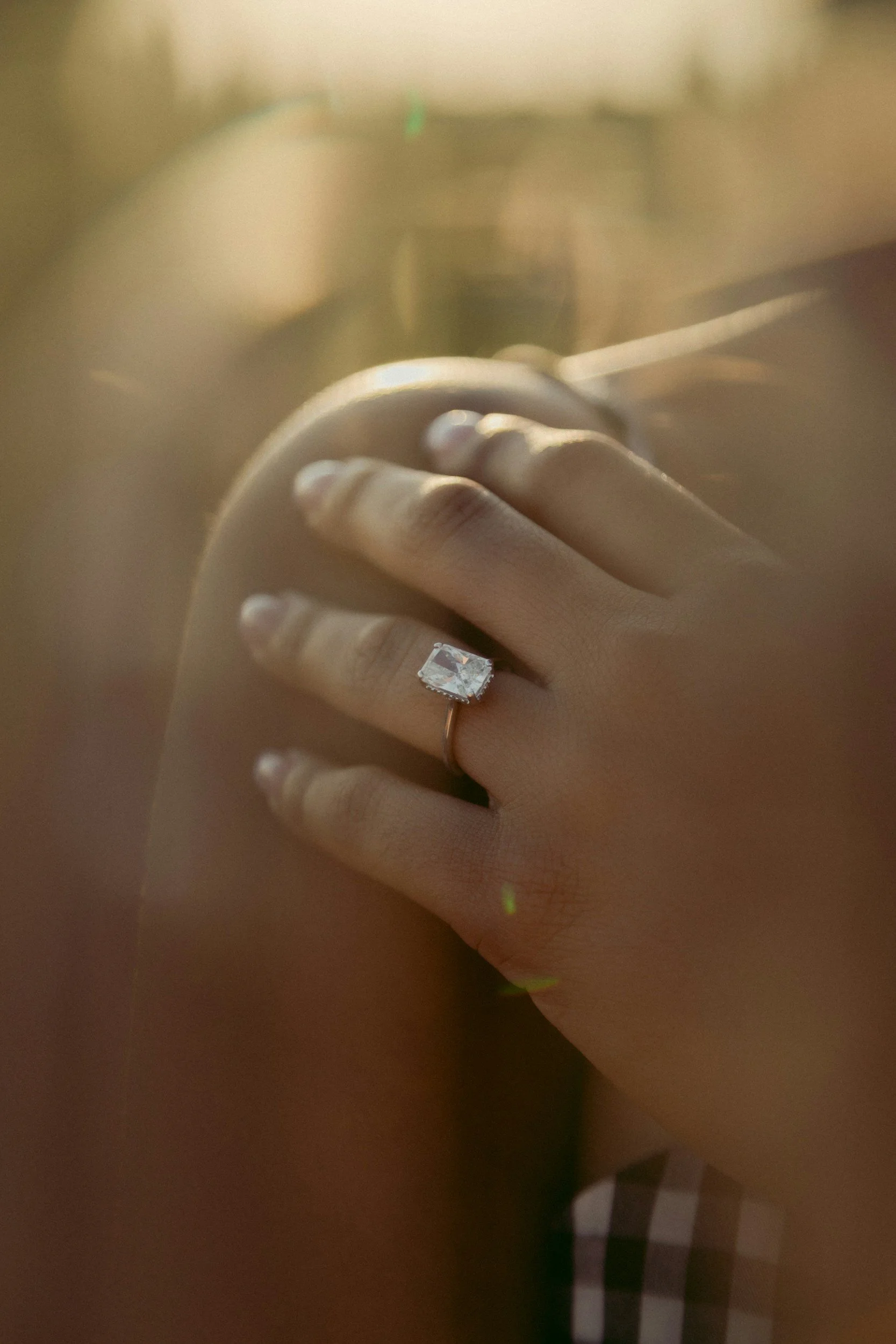
What an Upgrade Can Actually Involve
An upgrade doesn't have to mean starting over. It can mean:
Resetting the original center stone into a more substantial, current setting
Adding a bespoke band or ring jacket designed to sit beneath or around the original ring, framing it in a new context without altering it
Increasing the total carat weight across a redesigned setting to mark a specific milestone — some clients build in a carat for every year of marriage
Introducing color, engraving, or a completely different metal to reflect a shift in taste
The goal in every case is the same: the original piece isn't erased. It's given a new chapter.
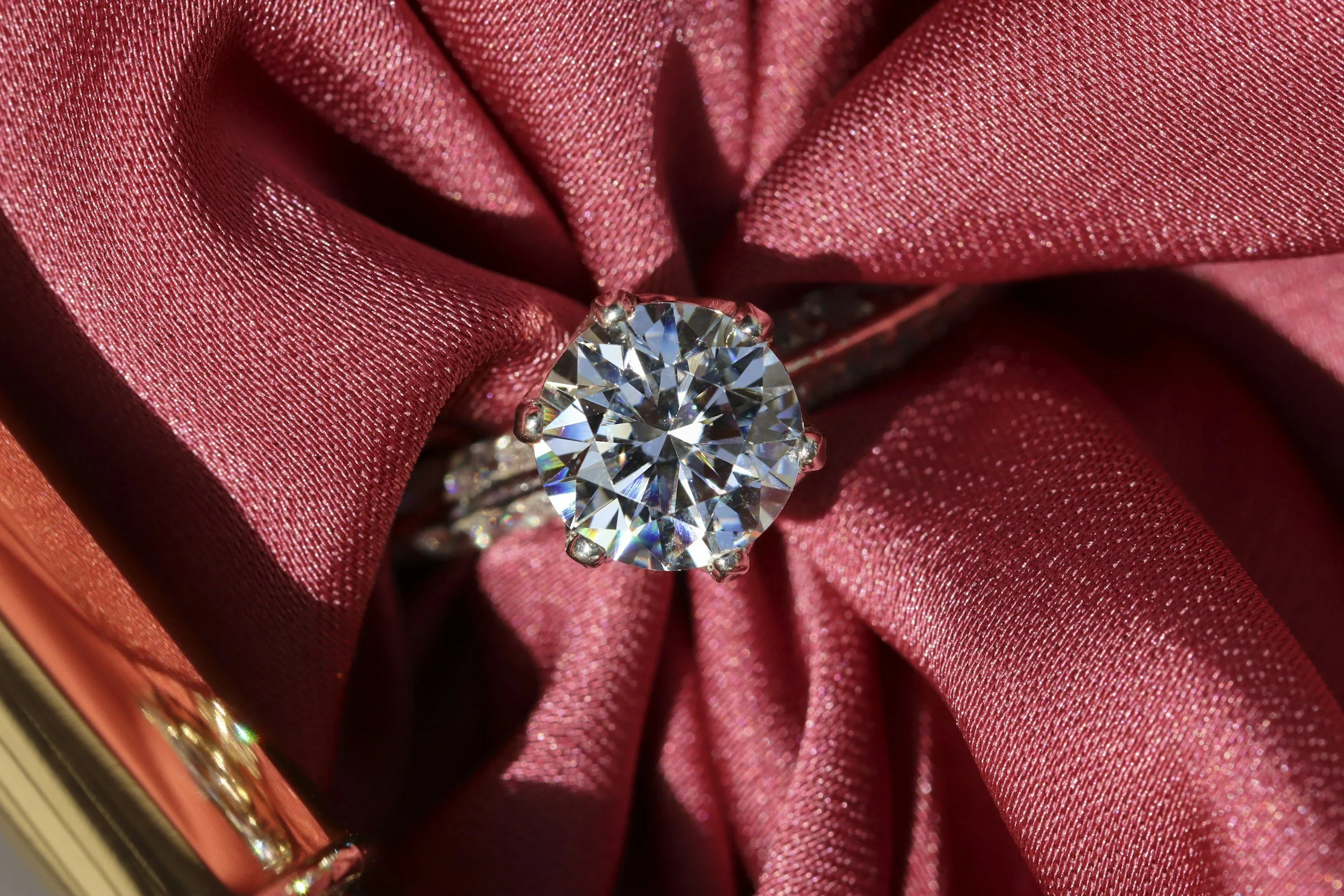
When We'd Tell You Not To
Not every upgrade is worth doing. If the only reason for a change is that a design trend has made the original ring feel dated, that's usually not enough reason on its own — trends fade, and a redesign chasing one will feel dated again in a few years. A worthwhile upgrade comes from something real: a milestone, a shift in how you live, a story that's actually changed. If that "why" isn't there, it's often better to wait.
If you're sitting on a ring you love but rarely wear the way you used to, that's usually the right moment to start this conversation — not after you've already decided exactly what the new version should look like.
Begin a private upgrade consultation, or read more about how to redesign an inherited ring without losing its meaning.
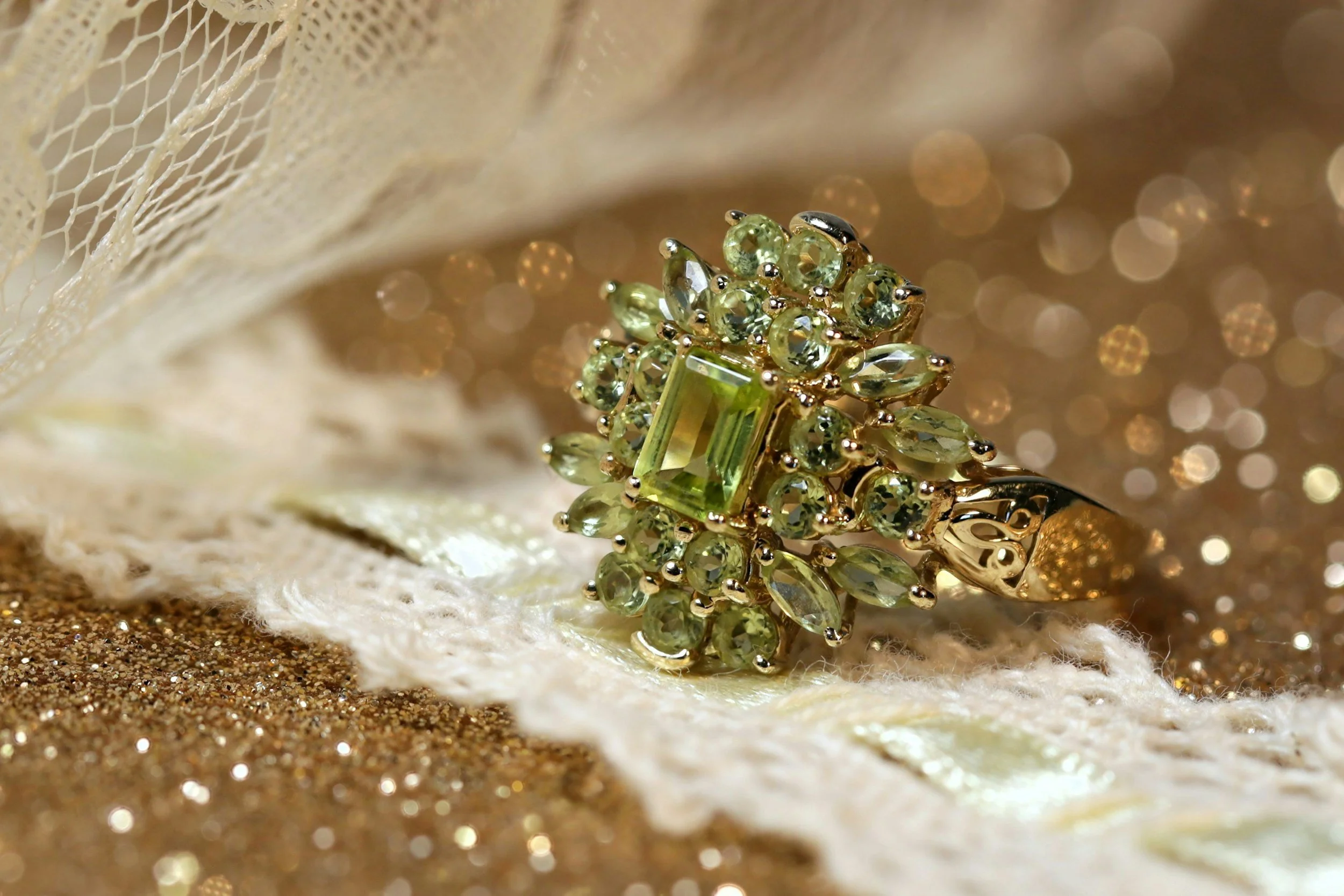
How to Redesign an Inherited Ring Without Losing Its Meaning
You don't have to choose between honoring a family piece and actually wearing it. Here's how to know what to preserve — and what's safe to let go.
The meaning in an inherited ring isn't always in the exact arrangement of the gold or the setting someone chose thirty or fifty years ago. More often, it lives in the memory attached to it — the person who wore it, the years it survived, the life it witnessed. Understanding what actually carries that meaning is the key to redesigning an heirloom without losing what makes it one.
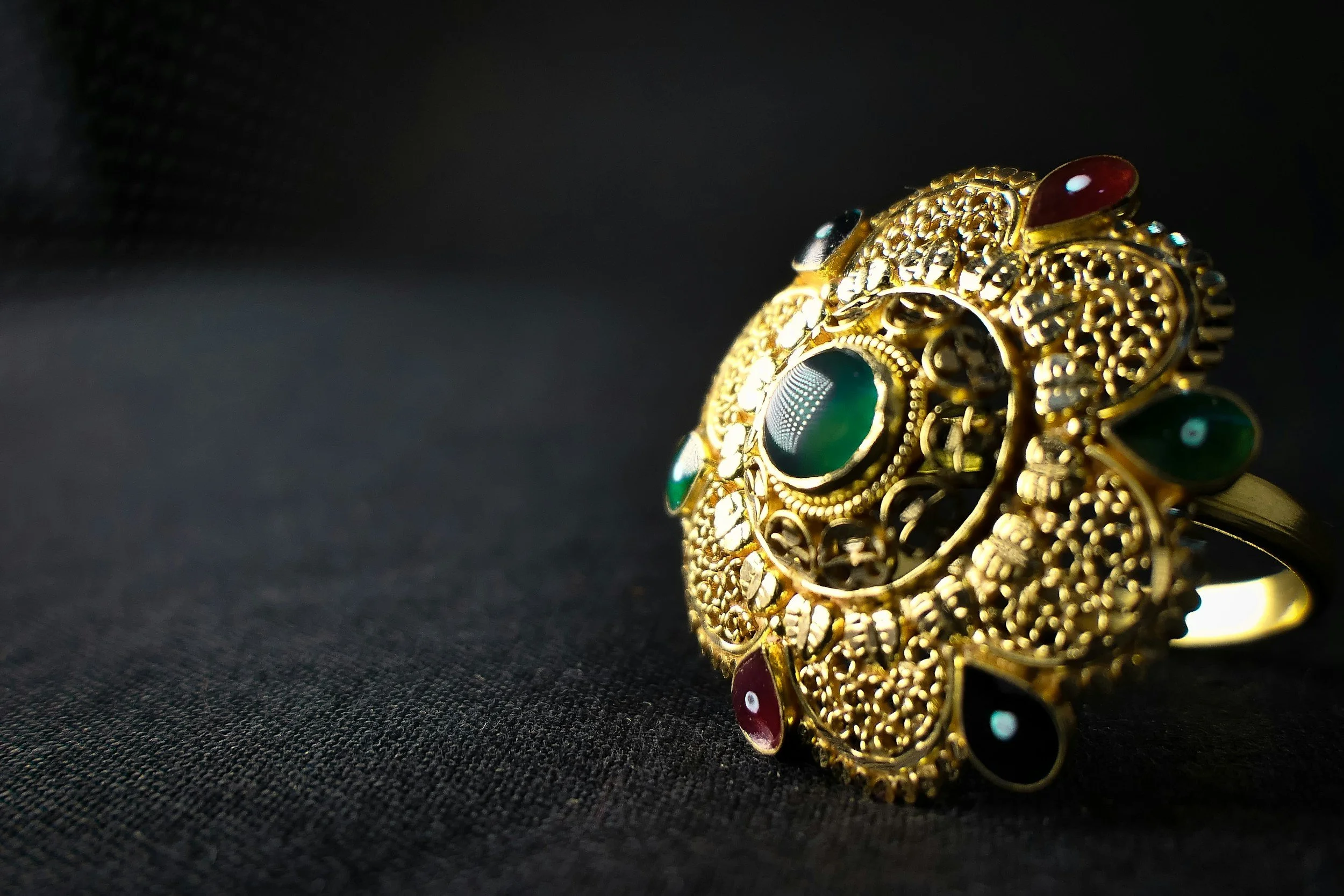
You Inherit a Legacy, Not an Obligation
Inheriting a piece of jewelry doesn't come with a requirement to wear it exactly as it was made. If the design no longer fits your hand, your style, or your life, you don't have to choose between honoring the memory and wearing something that feels like you. Redesign can be a way of allowing that memory to remain part of your life, rather than keeping the piece permanently tucked away.
Start With One Question
Before any redesign begins, we ask a single question: what part of this piece actually carries the emotional weight for you? The answer is different for every client. Sometimes it's the exact warmth of the original gold. Sometimes it's the center stone itself — the one that sat on a grandmother's hand through decades of an ordinary, extraordinary life. Sometimes it's a specific design detail: a hand-engraved motif, a particular proportion, or simply the knowledge of who wore it and when.
Whatever that element turns out to be, it becomes untouchable. Everything else is open to reinterpretation. Not everything has to survive physically for the history to survive — that's the intellectual core of what redesign actually means.
Yes, You Can Completely Transform It
You can melt down the original gold and forge it into an entirely new, more substantial band. You can extract the stones and build them into an architectural stack that looks nothing like the original setting. Done with intention, this doesn't destroy the piece's identity — it continues its story. The exact material that carried someone else's history for decades now has the strength and form to carry yours for the next fifty years.
In some commissions, very little of the original silhouette survives. The stones may move into an entirely different configuration, the original setting may disappear completely, and the existing metal may be incorporated into a new structure. What remains isn't the old design — it's the material and history that made the piece worth preserving in the first place.
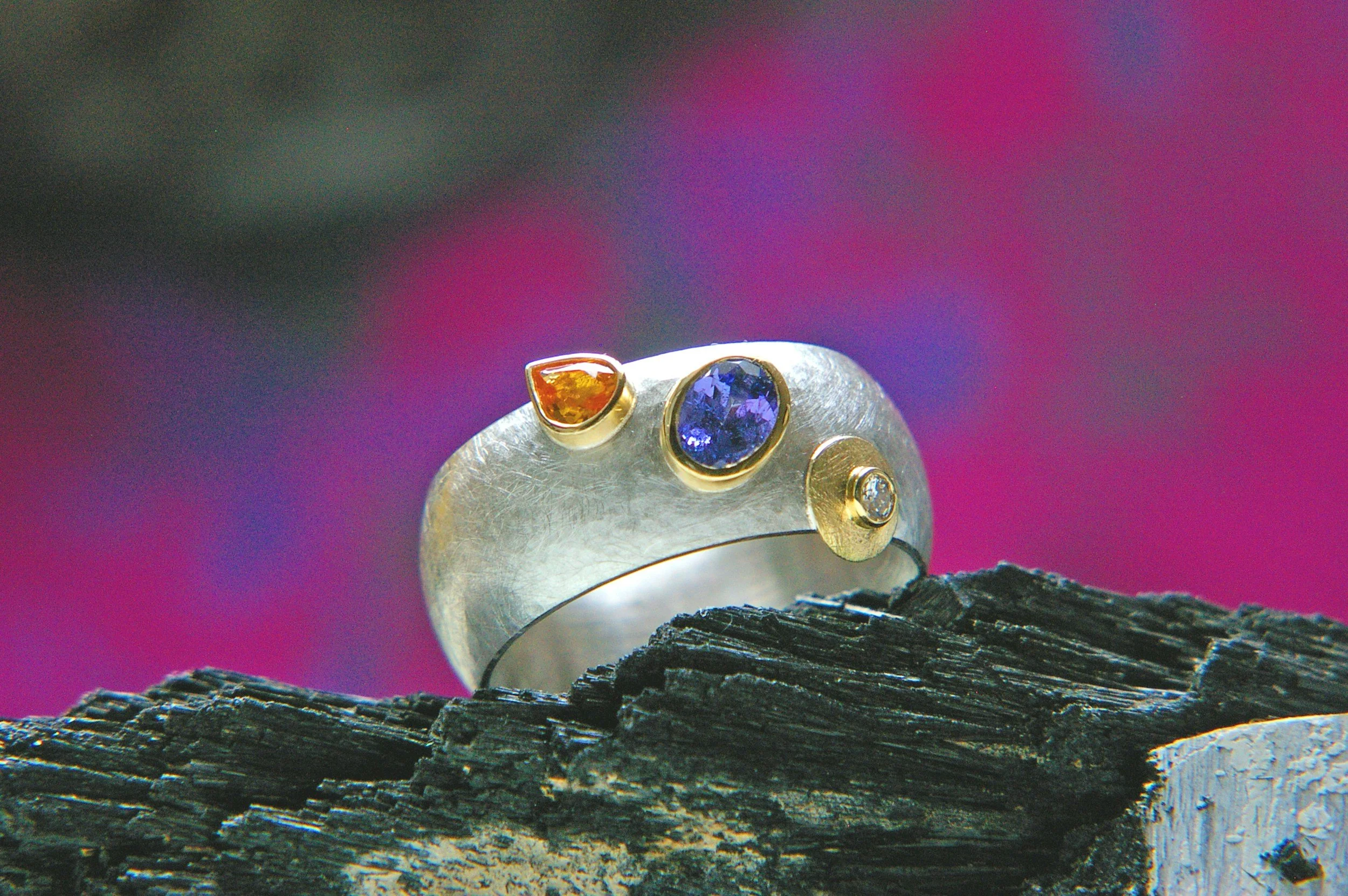
Where the Line Actually Is
The question isn't whether a redesign looks different from the original. The question is whether there's a real reason for the difference. A successful redesign can be dramatically different from the original while still feeling unmistakably connected to it. What matters is that the changes come from the client's relationship with the piece — not simply from whatever happens to be fashionable this year.
That's also why the preservation decision is never made unilaterally. Whatever the client identifies as meaningful stays; the designer's job is to guide the reimagining of everything else into something that fits who they are now.
Keeping History Without Keeping the Aesthetic Frozen in Time
A common concern clients bring to this process: how do you honor a family memory without preserving an outdated, unwearable design? An engraving might be preserved while the surrounding structure becomes completely contemporary. A historic gemstone might move from an ornate setting into a cleaner architectural design. Original gold might be incorporated into a new band rather than discarded. A distinctive motif might become the starting point for an entirely new silhouette. Jewelry can carry deep history without looking old — it requires knowing which specific detail actually carries that history, and building everything else around it.
A Redesign, In Practice
One recent commission began with inherited pieces whose original settings no longer reflected how the client dressed or lived day to day. The goal was never to reproduce the original rings. We preserved the stones and the emotional significance attached to them, then developed new proportions, architecture, and ways of wearing them — built for the client's current life rather than the life of the person who originally owned them. The result was jewelry that belonged to the client, rather than jewelry that simply used to belong to someone else.
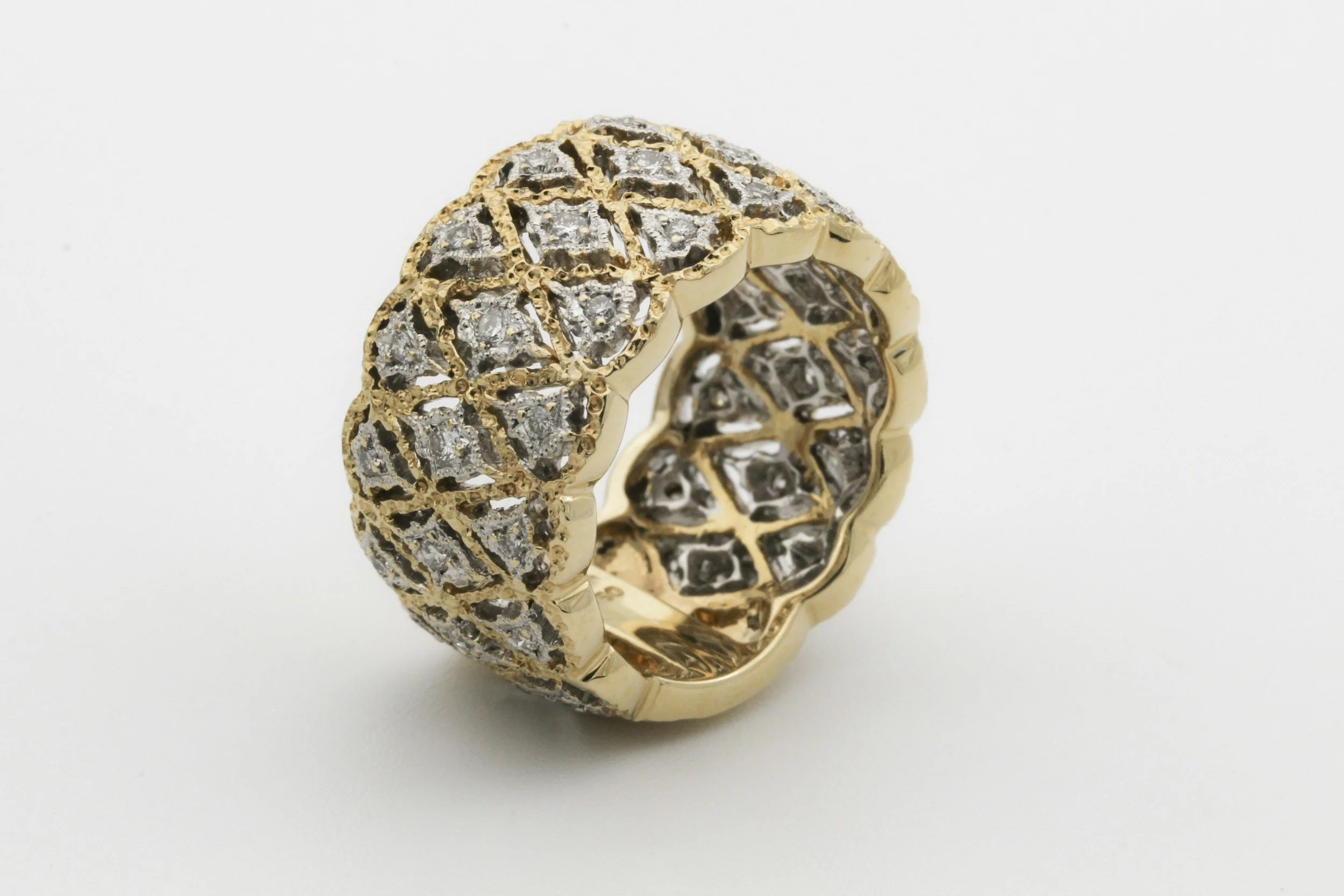
Fifty Years From Now
The point of this kind of redesign isn't just to make an old ring wearable again. It's to make sure that when this piece is eventually passed down again, it doesn't just tell the story of who first owned it — it tells the story of how you carried that legacy forward and gave it new life, rather than letting it sit untouched in a box.
If you're holding an inherited piece you're unsure how to wear, preserve, or transform, you don't need to arrive with a finished idea. A private redesign consultation can begin simply by examining the piece, understanding its history, and identifying what you want to carry forward.
Begin a private redesign consultation.
You may also be interested in Heirloom Jewelry Restoration NYC if your goal is preservation rather than transformation.

Diamond District Heirloom Redesign: A Private Atelier Alternative
The Diamond District is the obvious place to take an heirloom for redesign, but redesign is a different kind of conversation than a walk-in reset.
Search "heirloom redesign" alongside "New York," and the Diamond District comes up almost automatically. It's the city's historic center for jewelry — dozens of storefronts on a single block, generations of trade knowledge, and more inventory in one place than almost anywhere else in the country. If you're holding a piece with real family history and wondering where to take it, it's the obvious first instinct.

But redesigning a meaningful heirloom is a different kind of request — and the environment in which that conversation happens can matter as much as the technical work itself.
What the Diamond District Does Well
To be clear: the Diamond District exists for good reason. It's fast, competitive, and enormously efficient if what you need is a repair, a resize, a straightforward reset, or simply the best price on a stone. Decades of trade relationships and sheer density of expertise live on that block. For transactional jewelry needs, it's genuinely hard to beat.
Why Heirloom Redesign Requires a Different Process
A walk-in retail environment is designed to make a transaction possible efficiently. A bespoke redesign requires something different: time to understand what should remain, what can change, and what the client actually wants the finished piece to say. That's not a knock on any individual jeweler — it's simply a different kind of business model, built for a different kind of decision.

A heirloom redesign conversation also tends to go better away from a public storefront. Comparing quotes in real time on a busy block is an efficient way to shop for a diamond. It's a much harder environment in which to hand someone a ring that belonged to your grandmother and explain what it actually means to you.
What Happens During a Private Heirloom Redesign
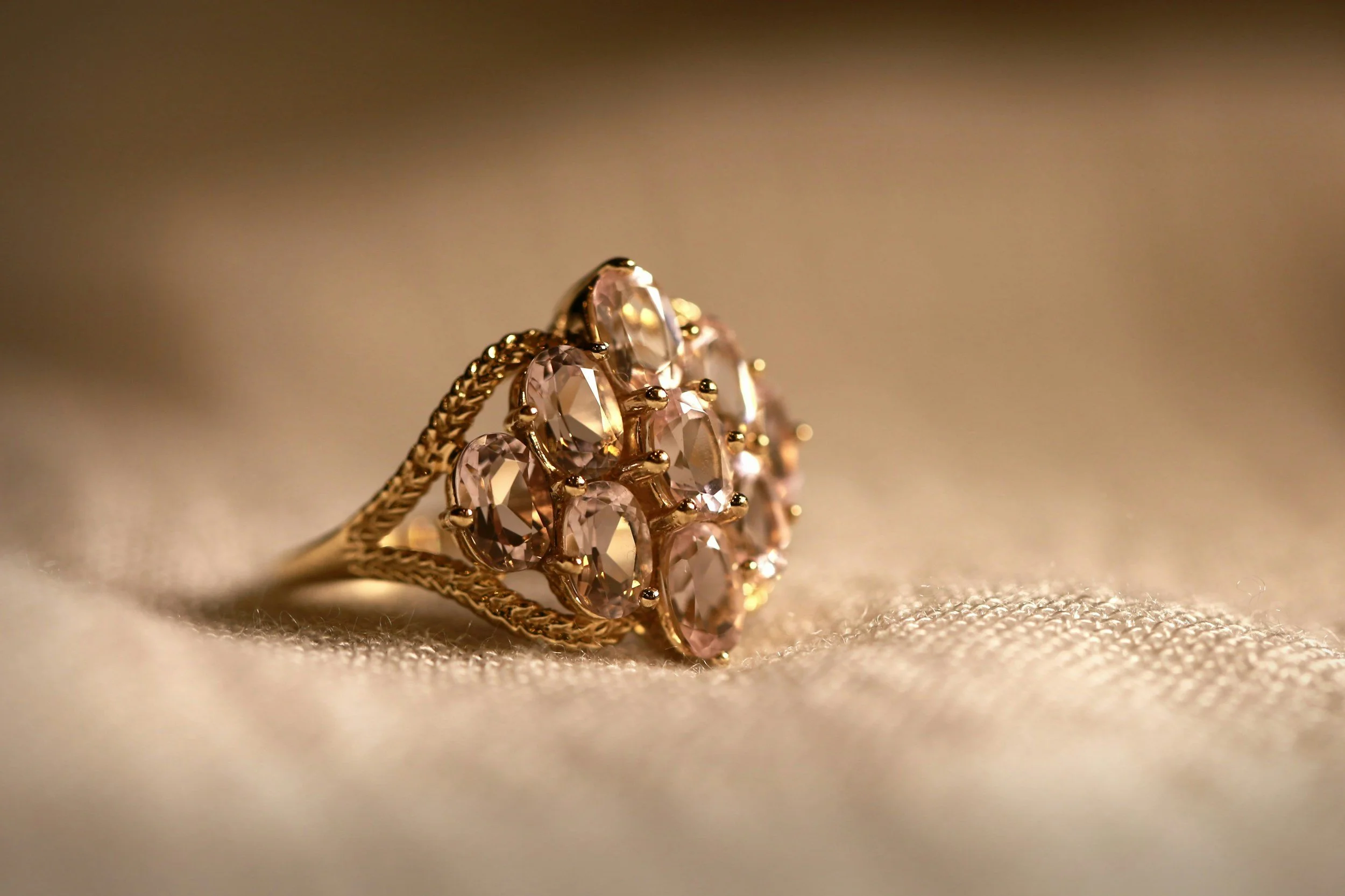
For clients who want the privacy of an independent designer without leaving New York, Gerard Rene approaches heirloom redesign through a private atelier model rather than a traditional retail storefront. In practice, that looks like a specific sequence:
We examine the existing piece. What gemstones are present, what condition the setting is in, which materials can realistically be reused, whether there are structural problems, and whether there are details worth preserving.
We separate sentimental value from physical structure. Sometimes the most meaningful part of an heirloom isn't the original setting at all — it might be the center stone, an engraving, a particular gemstone, or simply the fact that the material belonged to someone specific.
We determine what should survive. Not everything needs to be preserved for the piece's meaning to carry forward. This is usually the most important decision in the entire process, and it's made with the client, not for them.
We design around what the client wants the piece to become. This is where the actual design process begins — informed by everything above, rather than starting from an existing setting on a tray.
A Reset Isn't the Same as a Redesign
A reset means taking an existing stone and placing it into another setting. A redesign asks a bigger question: what should this piece become? That distinction matters, because the answer might be to preserve the center stone, reuse multiple stones, completely change the silhouette, change the metal, incorporate a single original detail, or build an entirely new structure around the existing materials. A reset can be part of a redesign. It's rarely the whole of one.
What Changes When the Question Becomes "What Should This Become?"
Once there's no pressure to move quickly, the questions get better. Rather than "which of these existing settings do you want your stone in," the question becomes: what part of this ring do you actually love, and why? Would you still love it if that same detail existed in a completely different format? Can this piece carry its history forward without looking exactly the way it did fifty years ago? That's the design thinking a redesign actually requires — and it's difficult to get to on a public sales floor.
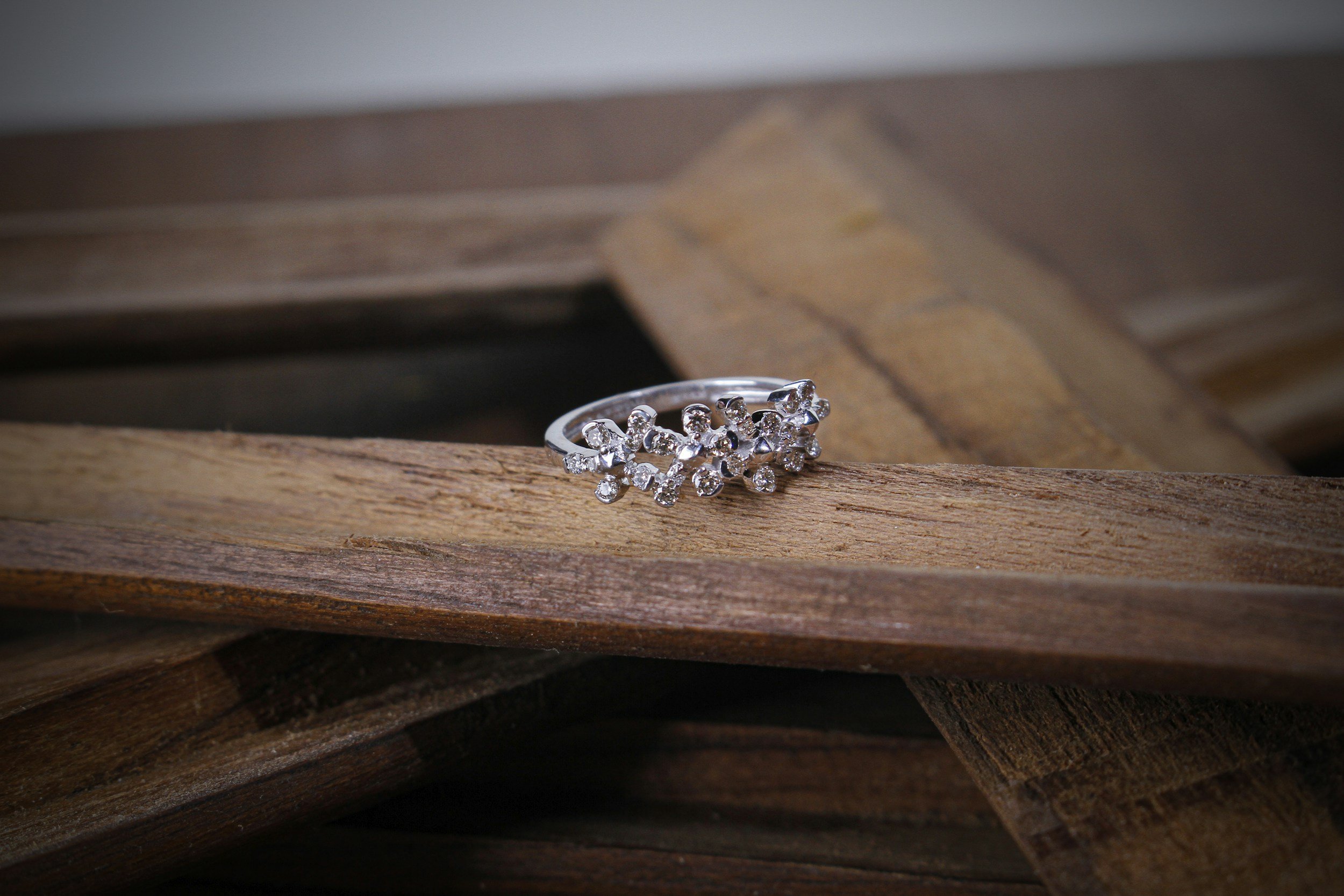
Who a Private Atelier Is For
If you need a quick repair or a straightforward reset and price is the deciding factor, the Diamond District remains a perfectly reasonable place to start. But if you're holding a piece with real emotional weight — something you inherited, something tied to a person or a chapter you want to honor rather than erase — a private atelier process is built specifically for that kind of decision, without the noise of a public storefront experience around it.
Schedule a private heirloom consultation, or read more about how to redesign an inherited ring without losing its meaning.
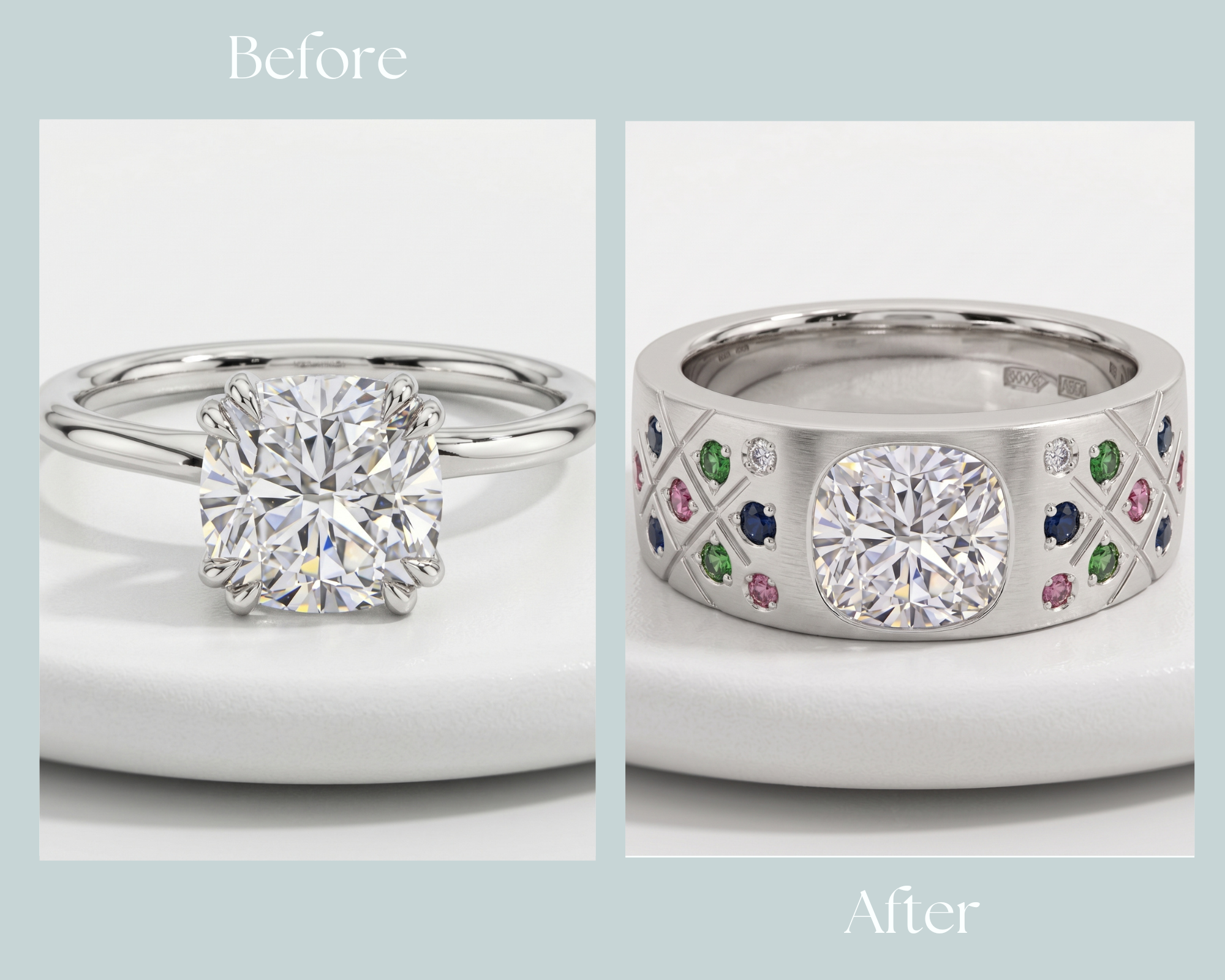
What to Do With an Engagement Ring After a Broken Engagement or Divorce
A ring from a relationship that's ended doesn't have to stay frozen in what it used to mean. Here's how it can become something that belongs to your next chapter.
If an engagement ends, the ring can become an unexpectedly complicated object. It may have significant monetary value, family history, or a beautiful gemstone that you still love — even if the meaning attached to the ring has changed.
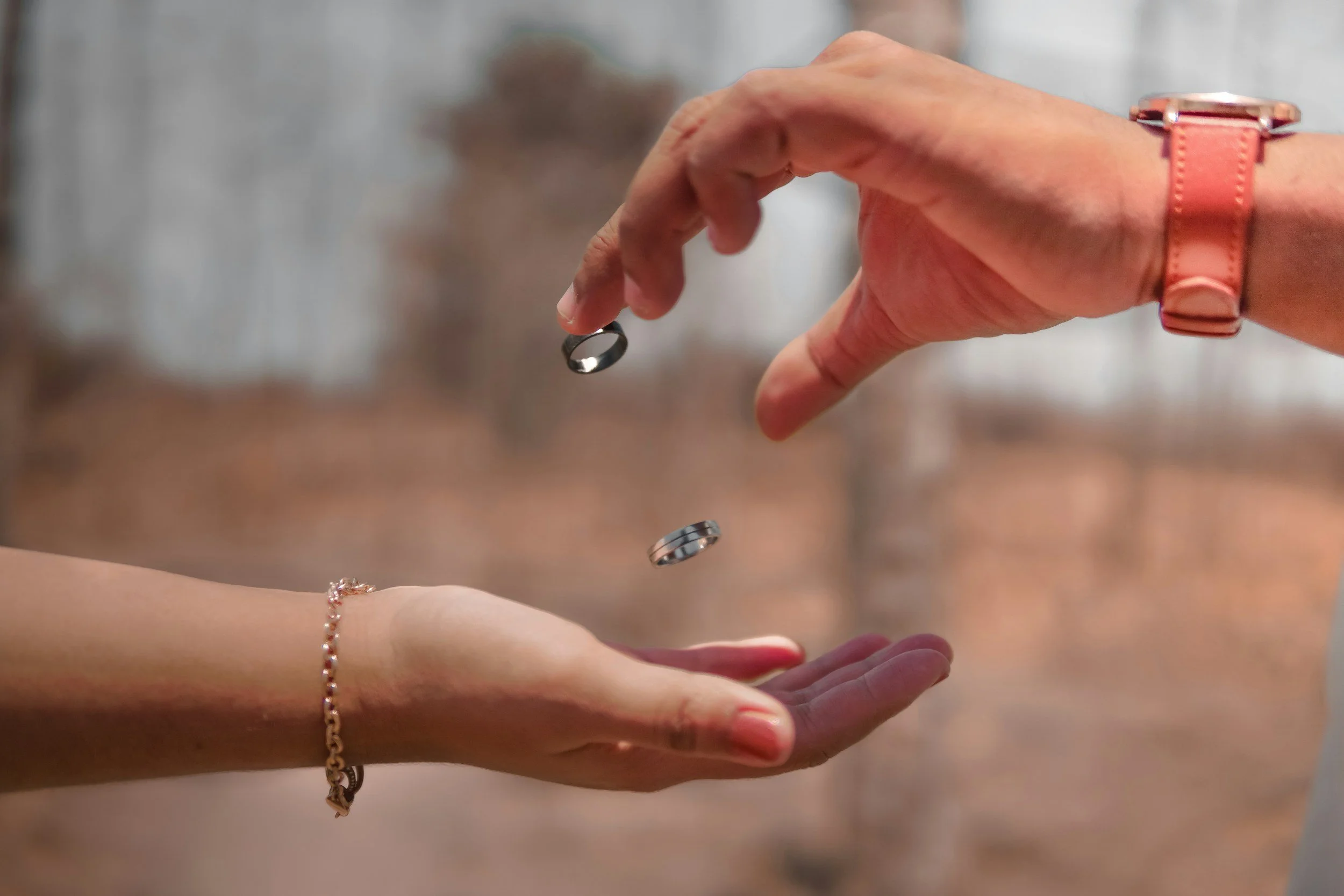
There isn't one right answer. You can sell it, put it away, pass it on, or leave it untouched. But another option is to recommission the jewelry entirely: preserve the materials that still matter to you while creating something that belongs to the life you're living now.
What Jewelry Mediation Can — and Can't — Resolve
If an engagement ring is part of a divorce or a broader property division, jewelry mediation may come into play — helping determine ownership, how the piece's value should factor into a settlement, or who retains it. That process resolves the ring from an ownership standpoint.
What it doesn't resolve is what happens next, creatively. Mediation determines what happens to the jewelry legally. Redesign determines what happens to it artistically. Those are two separate questions, and Gerard Rene isn't in the business of the first one — we're not mediators and this isn't legal advice. But once ownership is settled, the second question is exactly where we come in.
What Happens When You Recommission the Ring?
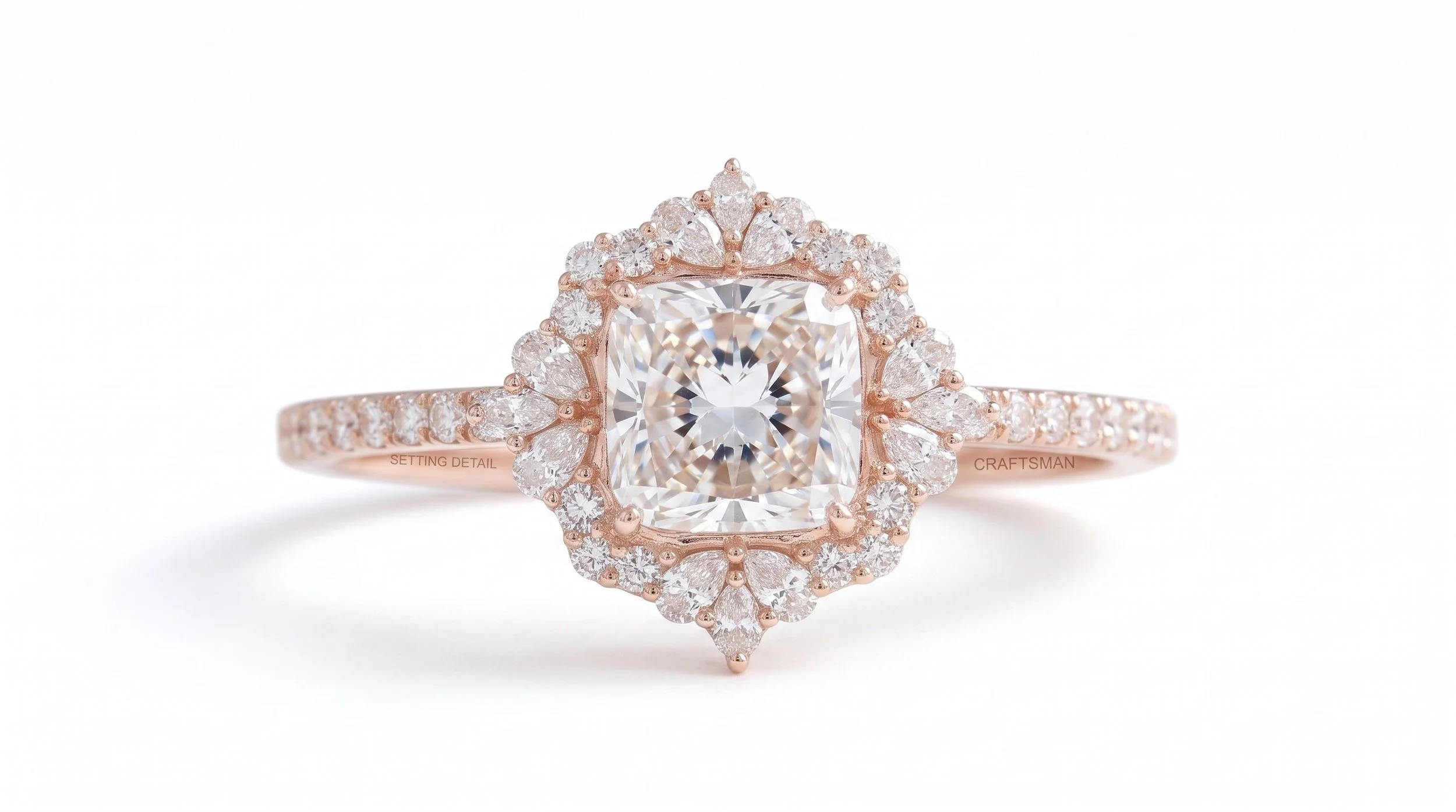
A former engagement ring doesn't have to remain a ring, and it doesn't have to look bridal to remain meaningful. Recommissioning means taking the existing materials — the center stone, accent stones, sometimes the metal itself — and rebuilding them into something designed around who you are now, not who you were when the ring was given.
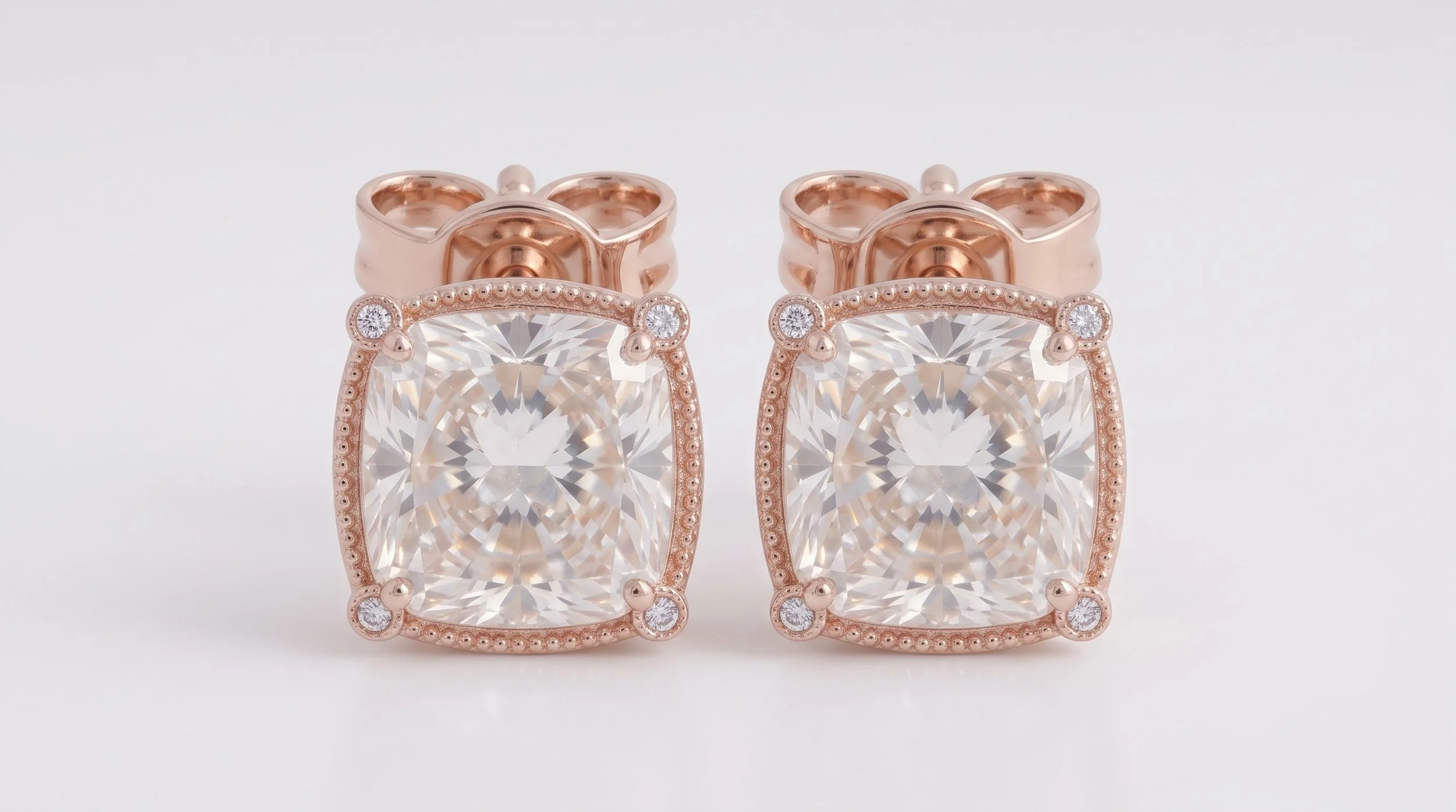
The ring becomes something completely different. One current Gerard Rene commission began with exactly this question: what could be created from the existing jewelry that would feel entirely removed from its original bridal context? We're currently developing earrings from the original stones — a form that has nothing in common with an engagement ring except the material itself.
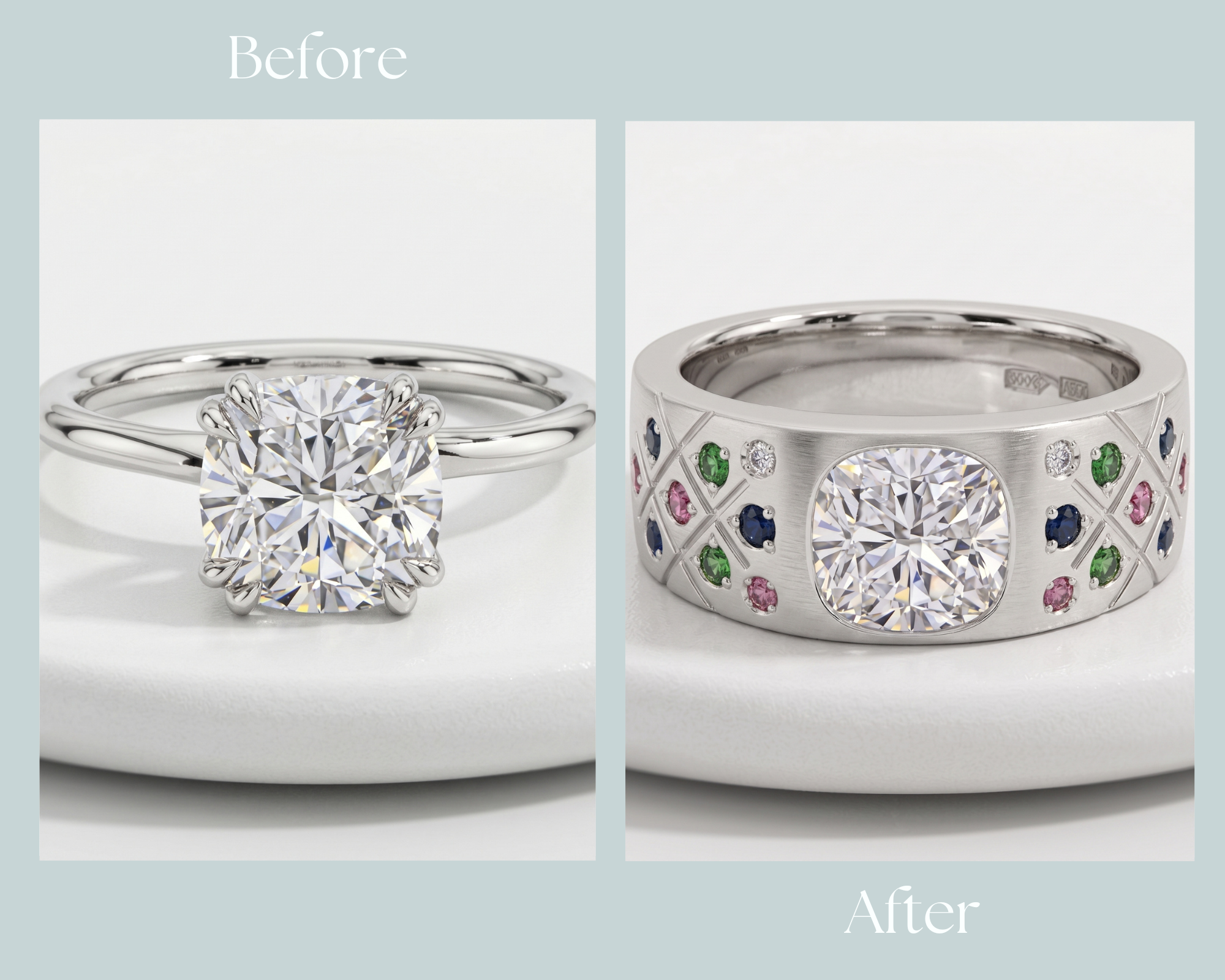
The ring remains a ring, but no longer reads as bridal. In another current commission, the piece will stay a ring, but almost nothing about its new identity will resemble the original. The design is being completely reimagined as a right-hand ring, intended to be worn on the middle finger rather than the ring finger. The goal isn't to disguise the stone's history — it's to give it a new context that has nothing to do with an engagement.
What Can an Engagement Ring Become?
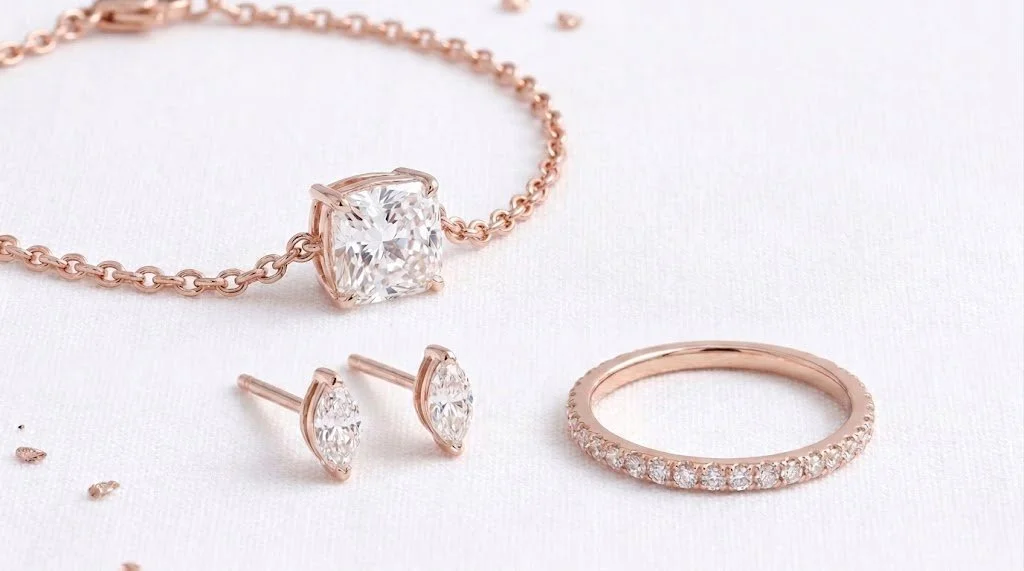
A completely new ring. The original stone can become the centerpiece of a design with an entirely different silhouette, proportion, metal, or architectural language than the original.
A right-hand or statement ring. The stone can be redesigned specifically for non-bridal wear, with proportions and styling deliberately moved away from engagement-ring conventions.
Earrings. One or more stones can become earrings, depending on what's available and the design direction.
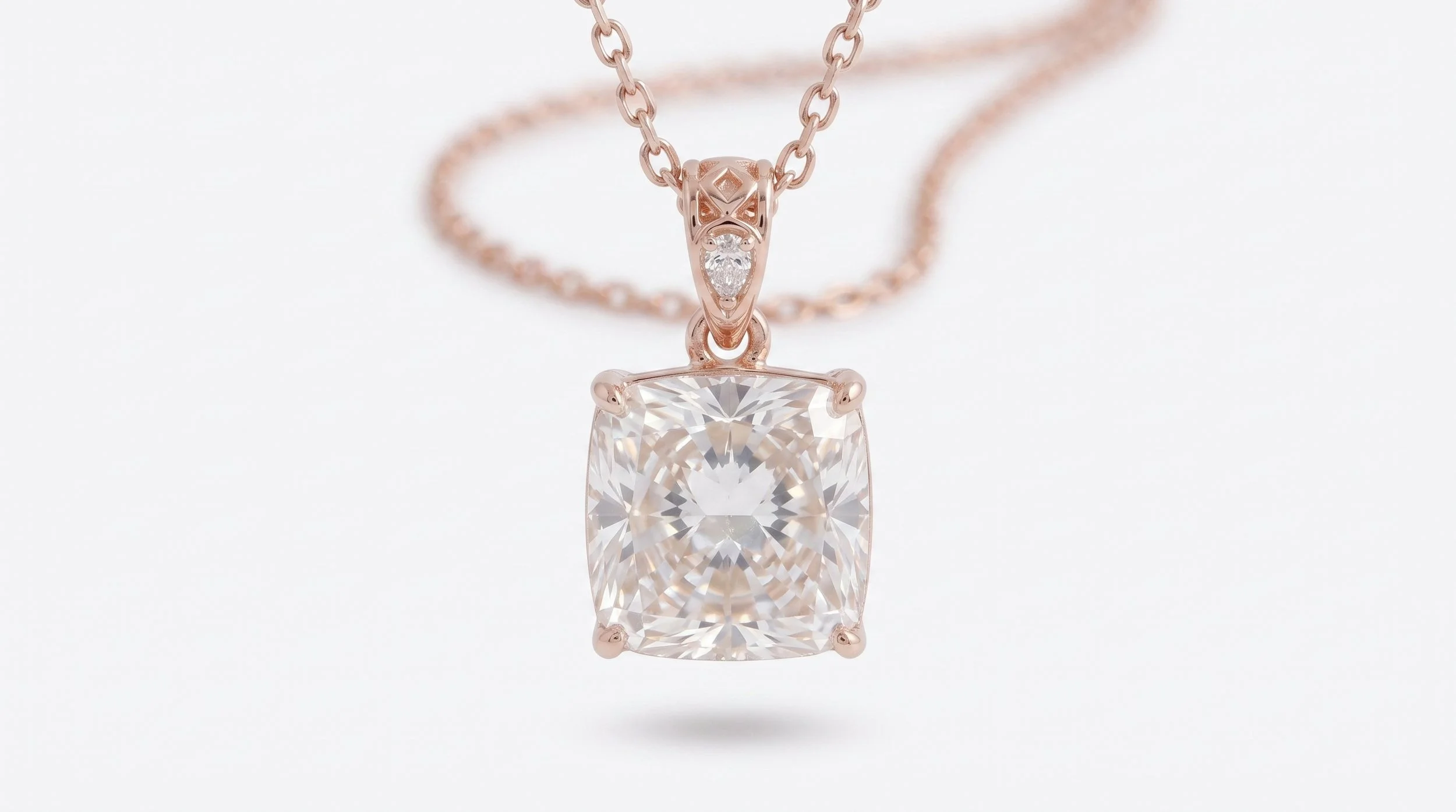
A pendant or other jewelry. This is a valid path too, though usually not the most interesting design opportunity available.
A multi-piece commission. If the original jewelry contains several stones or materials worth preserving, it can become the starting point for more than one new piece rather than a single replacement.
What Should Stay — and What Should Go?
This is where the actual design thinking happens, and it's different for every commission:
Is the original center stone worth preserving on its own merits?
Are the accent stones reusable, or better set aside?
Should the original metal be retained, or fully replaced?
Does any part of the original setting have artistic or historical value worth carrying forward?
Should the new piece look deliberately nothing like the original?
Or should one subtle element survive as a quiet connection to the past?
What does the client actually want the new piece to represent?
There's no default answer to any of these. That's the point of a private consultation rather than a standard package.
Redesign Doesn't Have to Erase the Past
The goal isn't necessarily to erase the history of the piece. Sometimes the history is precisely why the material is worth preserving. The real question is whether the object still belongs to the person you are now.
A redesign can acknowledge what the piece once represented without requiring it to continue representing that thing. The stone doesn't have to be forgotten. It just doesn't have to stay frozen in a form built for a different chapter of your life.
What We See in These Commissions
We've worked with clients who didn't want to discard the materials simply because the relationship ended — they wanted to reclaim them. In some cases, that means transforming a bridal ring into something entirely different. In others, it means retaining the gemstone while changing the silhouette so completely that the original ring is no longer recognizable. And sometimes the right answer is to take the stone somewhere it was never intended to go — into earrings, a pendant, or another form entirely.
The common thread isn't what the jewelry becomes. It's that the client gets to decide what it means now.
What If You Don't Want to Redesign It?
There are perfectly valid reasons to leave a piece untouched, sell it, or pass it to someone else. If you're not ready to make a decision, there's no reason to rush — and no version of this that has to happen on any particular timeline.
If You're Ready to Reimagine It
If you have an engagement ring from a relationship that has ended, and you're wondering whether the materials can become something entirely different, the first step isn't deciding what the finished piece should be. It's a conversation about what you have, what you want to preserve, and what you want the jewelry to mean now.
Begin a private conversation with Gerard Rene about a redesign or recommission.