
Heirloom Jewelry Restoration NYC: What Restoration Actually Involves
If you're looking for heirloom jewelry restoration in NYC, the first question isn't where to take the piece. It's whether the piece actually needs restoration at all — or whether what you're really looking for is a redesign.
Restoration and redesign get used almost interchangeably online, but they answer two completely different questions. Restoration is about preserving a piece as faithfully as possible — repairing structural damage, addressing wear, and bringing back its original appearance without fundamentally changing the design. Redesign asks something different: what could this piece become next?
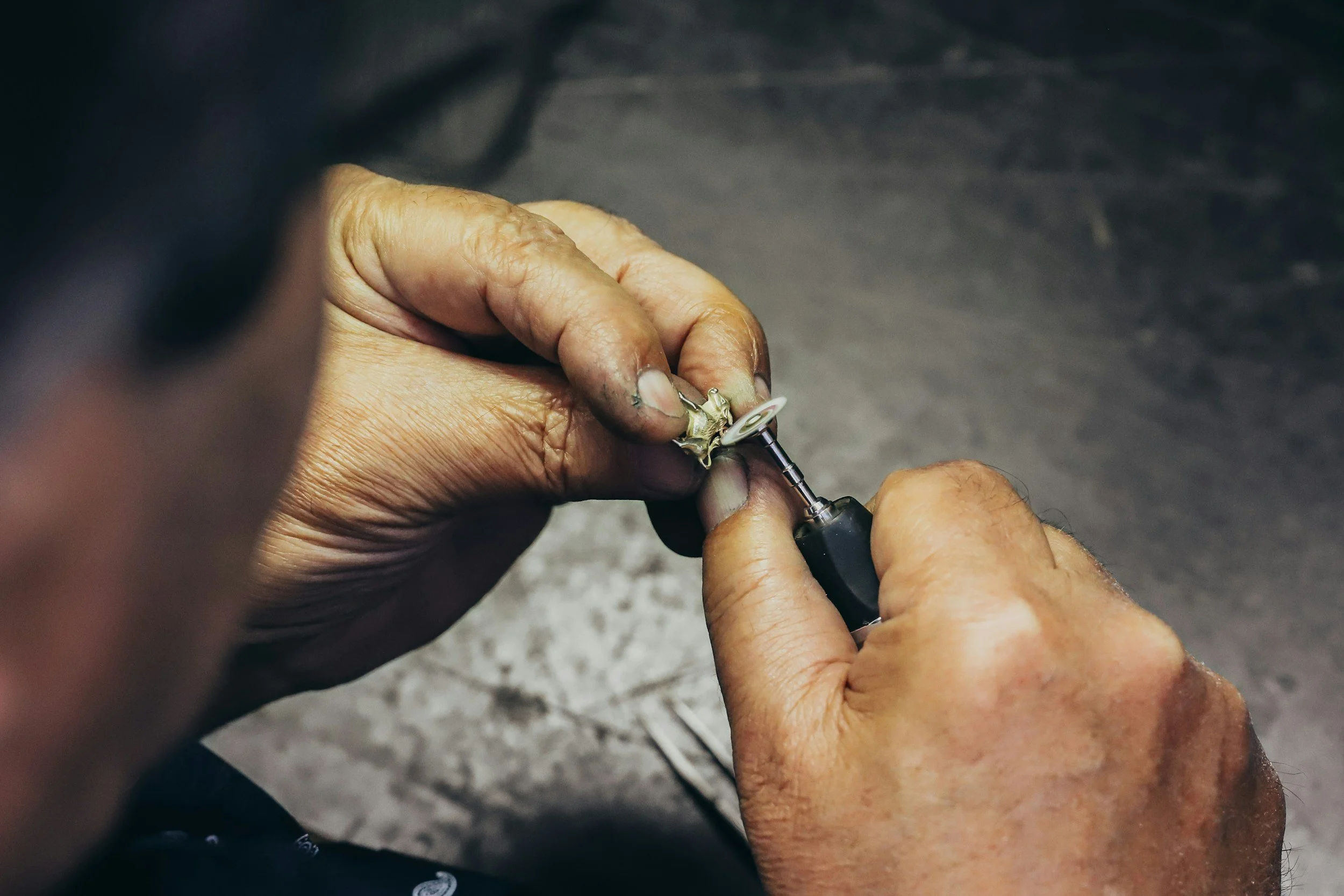
Restoration Preserves. Redesign Transforms.
These are different intents, and they call for different conversations. Restoration is for a piece you already love exactly as it is — one where age, wear, or a past repair has compromised its strength or appearance, and the goal is simply to bring it back, not to reinvent it. Redesign is for a piece whose form no longer fits the life you're living now, where the meaning needs to be carried into something new.
Neither is more valid than the other. But they require different questions at the outset, and a piece that actually needs restoration shouldn't be pushed toward a redesign conversation just because that's the more common inquiry.
What Restoration Actually Involves
At its core, restoring heirloom jewelry means addressing what time and wear have done to the piece while preserving everything that makes it what it is:
Structural repair. Prongs wear thin over decades of daily wear and need to be rebuilt or reinforced before a stone is at real risk of loosening or falling out. Bands that have thinned from years on a finger can be reinforced to restore their original strength.
Re-setting loosened stones. Stones shift and loosen over time, particularly in older, more delicate settings. Restoration means rebuilding or reinforcing the setting so the stone is properly secured while preserving the original construction wherever possible.
Cleaning and refinishing metal. Decades of wear dulls polish and accumulates grime in detailed engraving or filigree work. Proper refinishing brings the metal's original character back without sanding away the fine detail that gives an antique piece its texture.
Addressing prior repairs. Many heirloom pieces have already been through at least one repair, sometimes done quickly or without much care for the original craftsmanship. Restoration often means correcting that earlier work as much as addressing the original wear.
Evaluating treated or enhanced stones. Older gemstones, particularly emeralds, may have been treated to improve apparent clarity. The type and condition of that treatment can affect how the stone should be handled during restoration, cleaning, and repair. Before heat, chemicals, ultrasonic cleaning, or other procedures are considered, the stone's treatment and durability need to be taken into account.
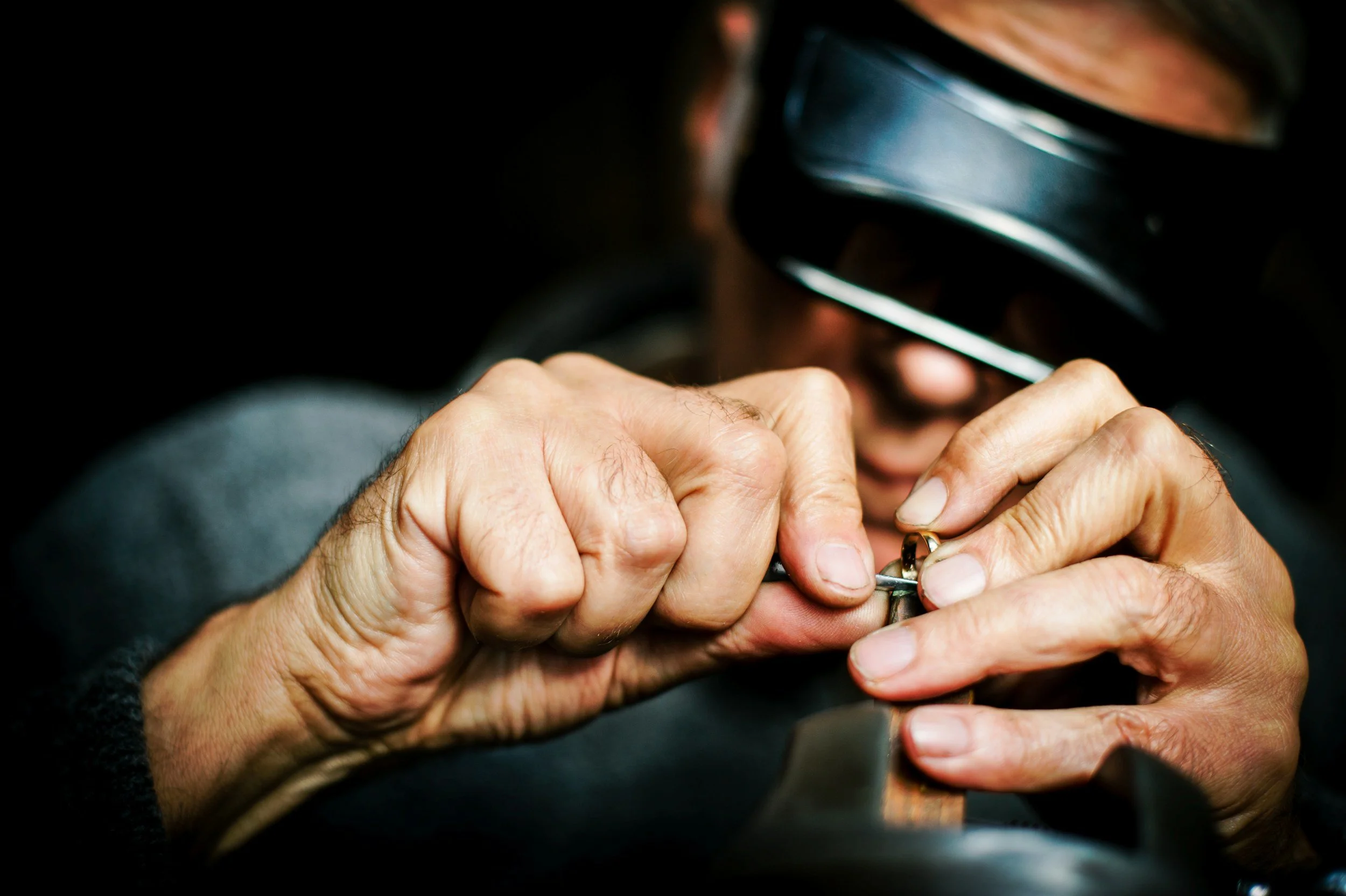
How We Approach an Heirloom Restoration
Restoration begins with evaluation, not a predetermined list of repairs. Before anything is altered, we look at the condition of the metal, the security of the stones, previous repairs, signs of wear, and any details that appear integral to the original construction.
The goal isn't to make an old piece look new. It's to make the piece structurally sound while preserving the characteristics that make it recognizably itself. That distinction matters particularly with older jewelry. A delicate engraving, an unusual setting detail, or evidence of how the piece was originally constructed can be part of its history. Removing those details simply because they show age can leave you with a technically repaired piece that has lost some of what made it worth preserving in the first place.
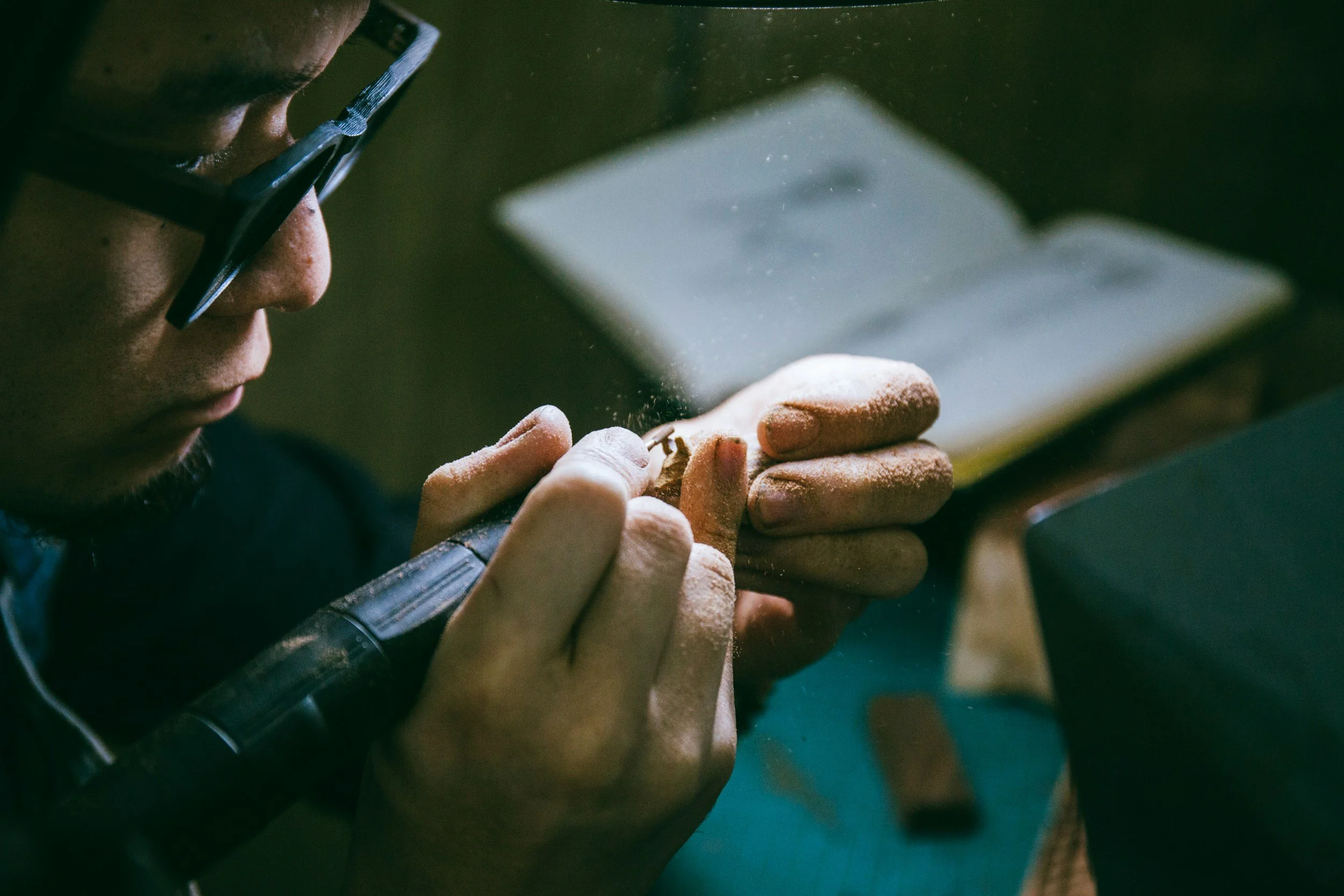
What Happens During a Jewelry Restoration Evaluation?
Examination of the metal and construction
Inspection of prongs, settings, joints, and areas of thinning
Assessment of the gemstones present
Identification of previous repairs
Consideration of any treatments or particularly delicate materials
A conversation about what can realistically be preserved
A determination of whether restoration or redesign is the more appropriate path
The first question isn't always "how do we fix it?" It's "what are we trying to preserve?"
What Restoration Is Not
Restoration is not an opportunity to modernize a piece, resize a center stone, or change the setting to something more current. Replacing an original setting with a contemporary one, changing the proportions of the piece, combining the stone with other inherited materials, or turning a ring into an entirely different form are redesign decisions. They may be exactly the right decision — but they're not restoration. It's worth being honest with yourself about which one you actually want, because they call for different approaches from the outset.
How to Know Which One You Need
Ask yourself a simple question: if this piece could be brought back to full strength and its original appearance, exactly as it was, would that be enough? If yes, you're looking at restoration. If the honest answer is that you'd still want it to look or feel different — a different silhouette, a different way of wearing it, a design that reflects who you are now rather than who wore it originally — that's redesign, and it deserves its own conversation.
Why This Matters More With a One-of-One Piece
Heirloom pieces don't have duplicates. With an older one-of-one piece, there may be no replacement setting, no current manufacturer to consult, and no modern production record showing exactly how the piece was originally constructed. That's why we approach restoration with the same seriousness we bring to a new commission: understanding the piece before altering it, documenting what matters, and making preservation decisions deliberately rather than treating an heirloom as a quick repair job.
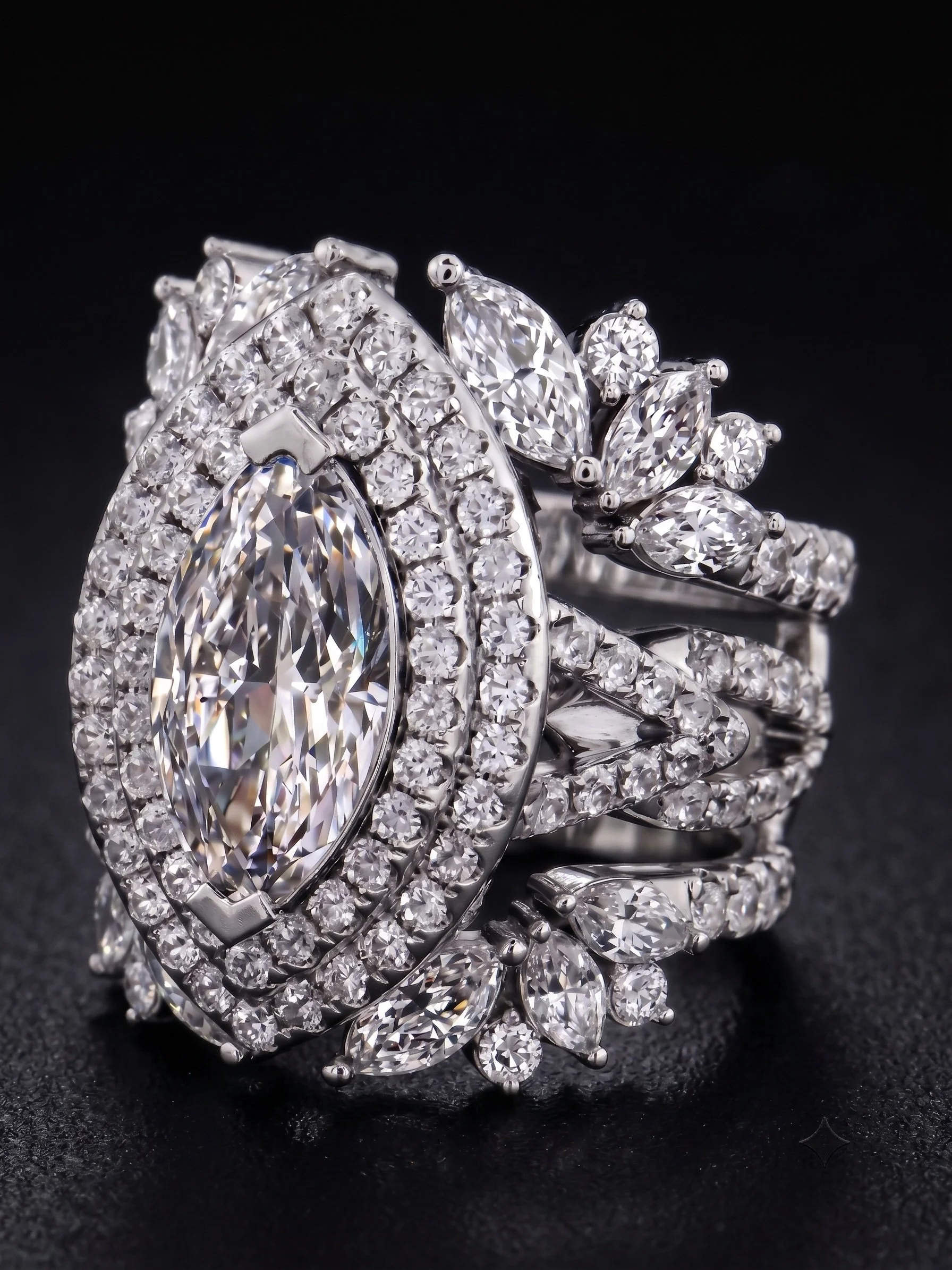
Not Sure Whether Your Heirloom Needs Restoration or a New Life?
That distinction is worth establishing before any work begins. At Gerard Rene, an evaluation can start with understanding what you want to preserve, what has been compromised through age or wear, and whether the piece is better served by restoration or redesign.
Begin a private heirloom consultation.
If transformation is what you're considering, you can also read How to Redesign an Inherited Ring Without Losing Its Meaning.