

What Determines the Price of a Custom Engagement Ring?
The honest breakdown of where your investment actually goes when you commission a custom engagement ring — no sales pitch, no vague hand-waving.
"Why does this cost so much more than a ring I found somewhere else?" is a fair question, and it deserves a real answer rather than a deflection. The short version: a custom commission and a retail ring are two different categories of object, built through two entirely different processes. The price reflects that difference — and these cost drivers hold regardless of which city or atelier you're commissioning from.

You're Not Comparing Two Rings. You're Comparing Two Processes.
A retail ring's price is largely determined by materials, brand markup, and manufacturing at scale. A custom commission's price is determined by something closer to the cost of building a single, unrepeatable object from the ground up — design time, engineering, sourcing, and hand-finishing that all exist for exactly one piece, once.
That's not a justification so much as an explanation of where the investment actually goes.
Where the Money Actually Goes at Gerard Rene
Gemstone sourcing and verification. Every stone that enters a commission is vetted for cut, character, and documentation — not simply purchased off the highest number on a certificate. That vetting process, including verifying a supplier's history and a stone's paper trail, takes real time and real diligence, and it protects the piece long after it leaves the workbench.
Material quality. Solid, substantial gold or platinum, built to hold up under decades of daily wear, costs more than thin, lightweight metal designed to look larger for less.
Design and engineering. Concept sketches, refinement based on client feedback, and CAD engineering to confirm a design is structurally sound before it's ever built — this stage alone can represent weeks of iterative work, especially for a complex or unconventional design.
Hand-fabrication and finishing. Whether a piece is hand-forged, cast, or built through a combination of both, the labor involved in properly securing stones, finishing metal, and quality-checking the final piece under magnification is substantial, and it's labor that scales with complexity, not price point alone.
Irreplaceability. Perhaps most importantly, you're paying for something that exists nowhere else. A retail ring can be replaced or duplicated. A bespoke commission, by definition, can't be.
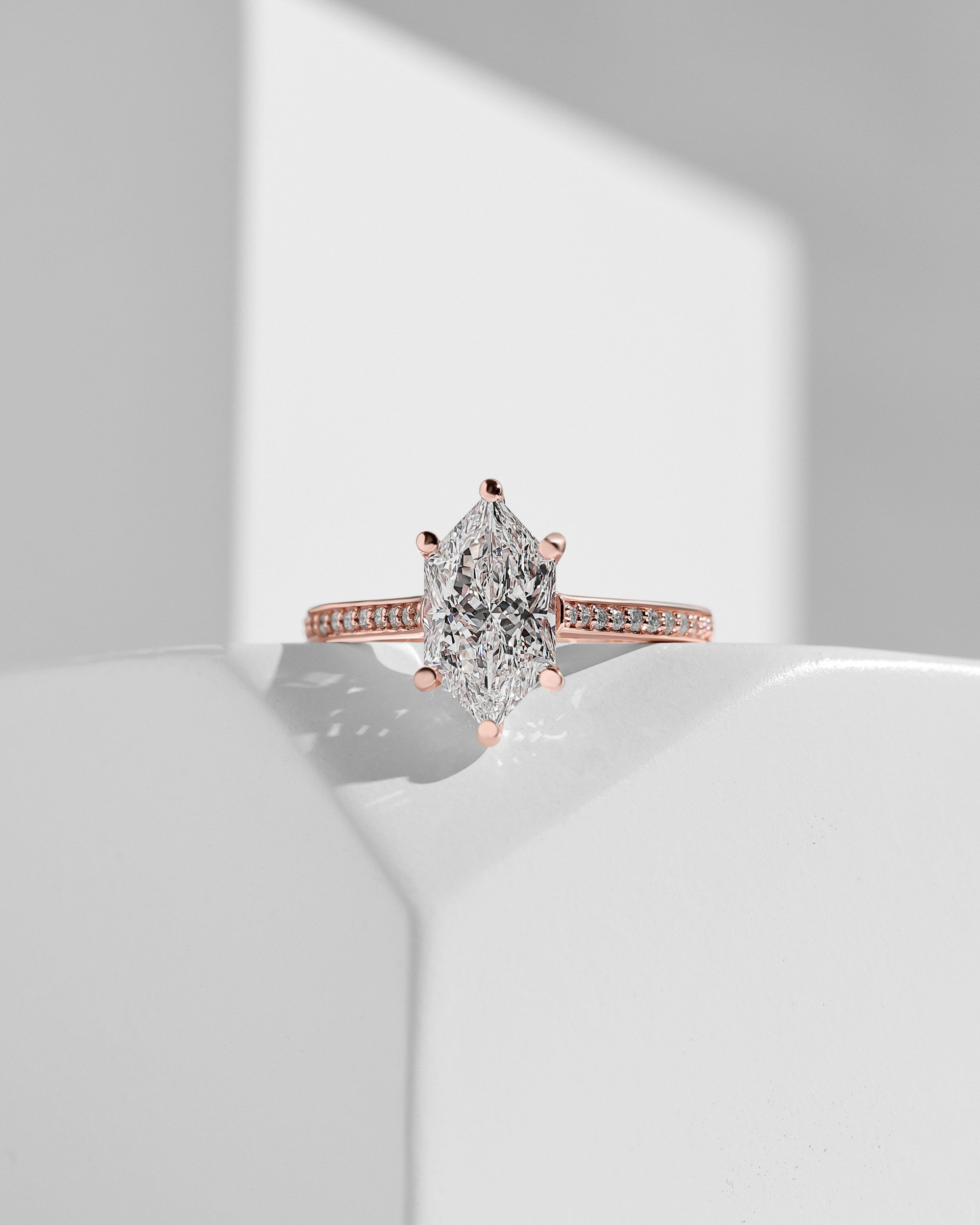
Where the Investment Is Actually Concentrated at Gerard Rene
The investment is concentrated in the design, sourcing, engineering, craftsmanship, and individualized attention required to create one piece — rather than in the overhead of producing and distributing an inventory item at scale. That's a different cost structure than retail jewelry, not an absence of one.
Why Two Commissions Can Cost Very Differently
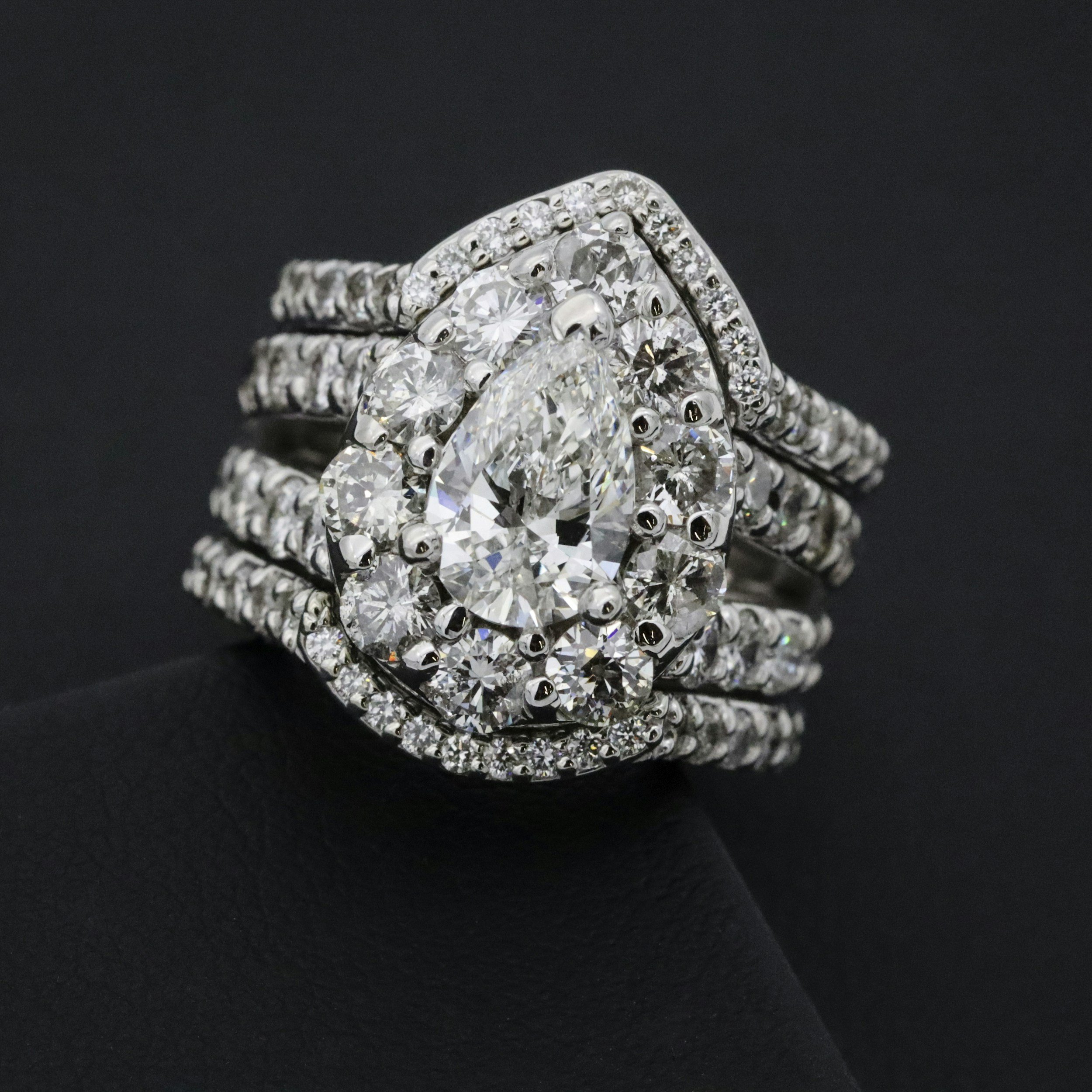
Complexity is the biggest variable. A clean, architectural solitaire with a well-documented diamond costs less than a heavily engraved, sculptural design built around a rare, hand-sourced gemstone — not because one designer is trying harder than the other, but because the second piece genuinely requires more time, more sourcing effort, and more hand-finishing to execute properly.
A Note on Comparing Prices
If you're comparing a bespoke commission against a mass-retail ring purely on a price-per-carat basis, you're likely optimizing for a different goal than the one bespoke work is built to serve. That's a completely legitimate priority to have — but it's worth being honest with yourself about which outcome you actually want before the comparison starts, because the two paths lead to genuinely different objects.
If you want a clearer sense of what your specific commission would actually cost, that's a conversation best had directly, with your design and priorities in front of us — not estimated from a general range. Commission Your Ring to begin the process, or explore our custom ring portfolio to see how different design approaches translate into finished pieces.