
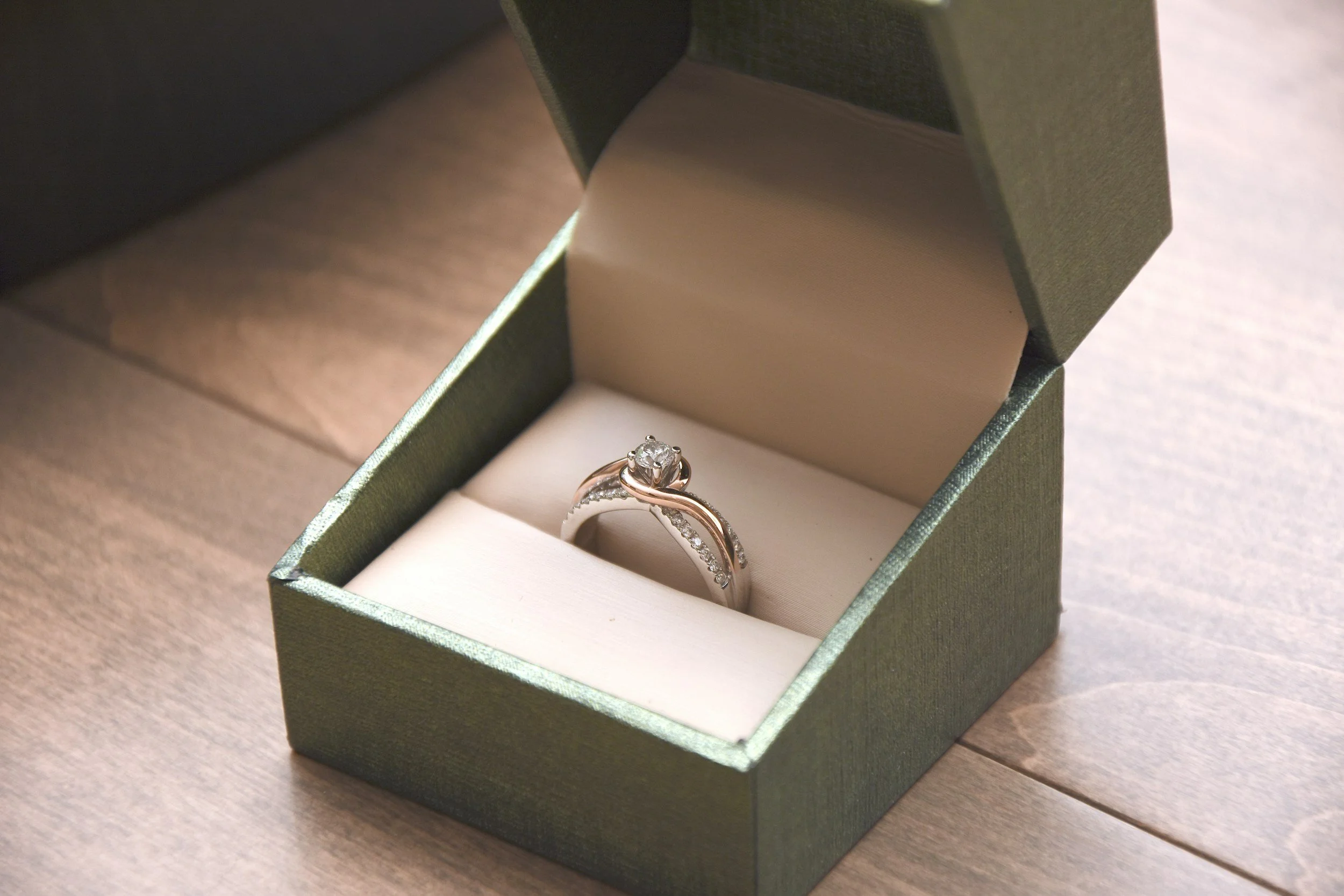
Upgrading Your Engagement Ring
An upgrade isn't an admission that the original ring wasn't enough, it's often proof of how much has changed since you first wore it.
"Upgrade" makes it sound like the original ring wasn't enough. In our experience, that's rarely the real reason someone considers it. Most upgrades aren't about correcting a mistake — they're about marking how much has changed since the ring was first chosen.
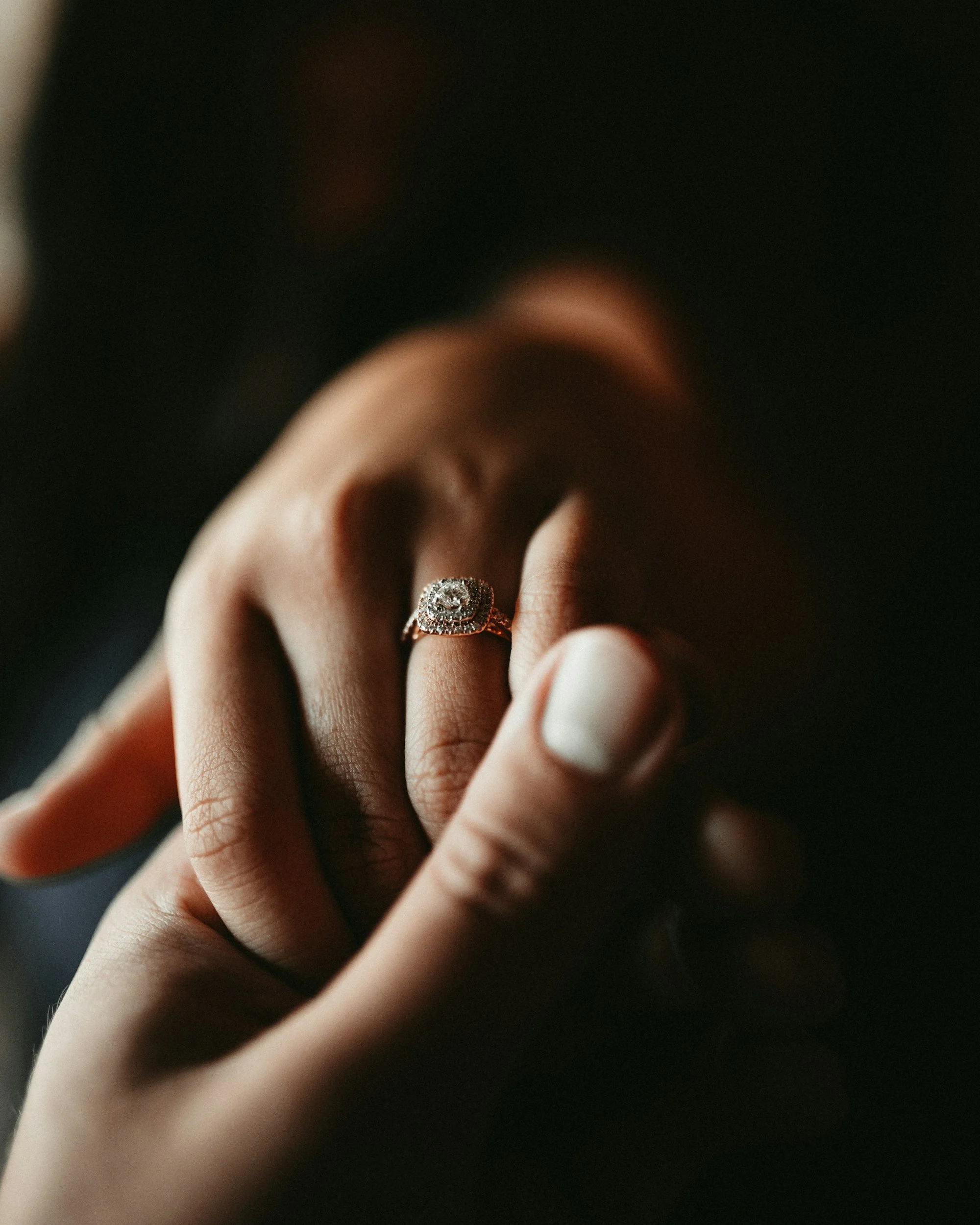
Why Couples Actually Upgrade
A change in finances. Early in a relationship, budget often shapes the ring more than taste does. As a couple's financial picture improves — a promotion, a business finding its footing, years of building something together — upgrading the ring can be less about the diamond and more about marking what that stability actually took to build.
A change in personal style. Taste evolves. Someone who chose a simple solitaire in their twenties may find themselves drawn to a completely different design language a decade later — more detail, more color, more presence. An upgrade lets the ring catch up to who you've actually become, rather than staying frozen in an earlier version of your taste.
A milestone anniversary or vow renewal. Some couples upgrade specifically to mark a significant year — ten years, twenty-five — not because the original ring wasn't enough, but because the relationship has become something richer than either of them could have fully imagined on the wedding day.
The birth of a child. A new family member is sometimes marked by incorporating a birthstone, an engraving, or a design element into the ring — a small, permanent acknowledgment of how the family has grown.
Honoring someone who has passed. Sometimes an upgrade becomes a way to fold a family member's memory into the piece — incorporating an inherited stone, or designing in tribute to someone whose loss reshaped how the wearer thinks about love and time.
Should You Upgrade or Redesign Your Engagement Ring?
An upgrade makes sense when there's real continuity between who you were and who you are now — when the original stone or setting represents a starting point you want to carry forward rather than leave behind. If the center stone holds real history — the one from your twenties, or one inherited from a parent — upgrading lets you honor that foundation while giving it a structure that matches your current life.
A completely new ring makes more sense when the milestone you're marking has nothing to do with the original piece, or when altering it would strip away what made it meaningful in the first place. In those cases, it's often better to keep the original ring exactly as it is — worn occasionally, or on the right hand — and commission something new and separate, rather than forcing an old piece into a role it was never built for.
Neither path is more "correct." The question is simply whether the story you're telling now still connects to the one the original ring already tells.
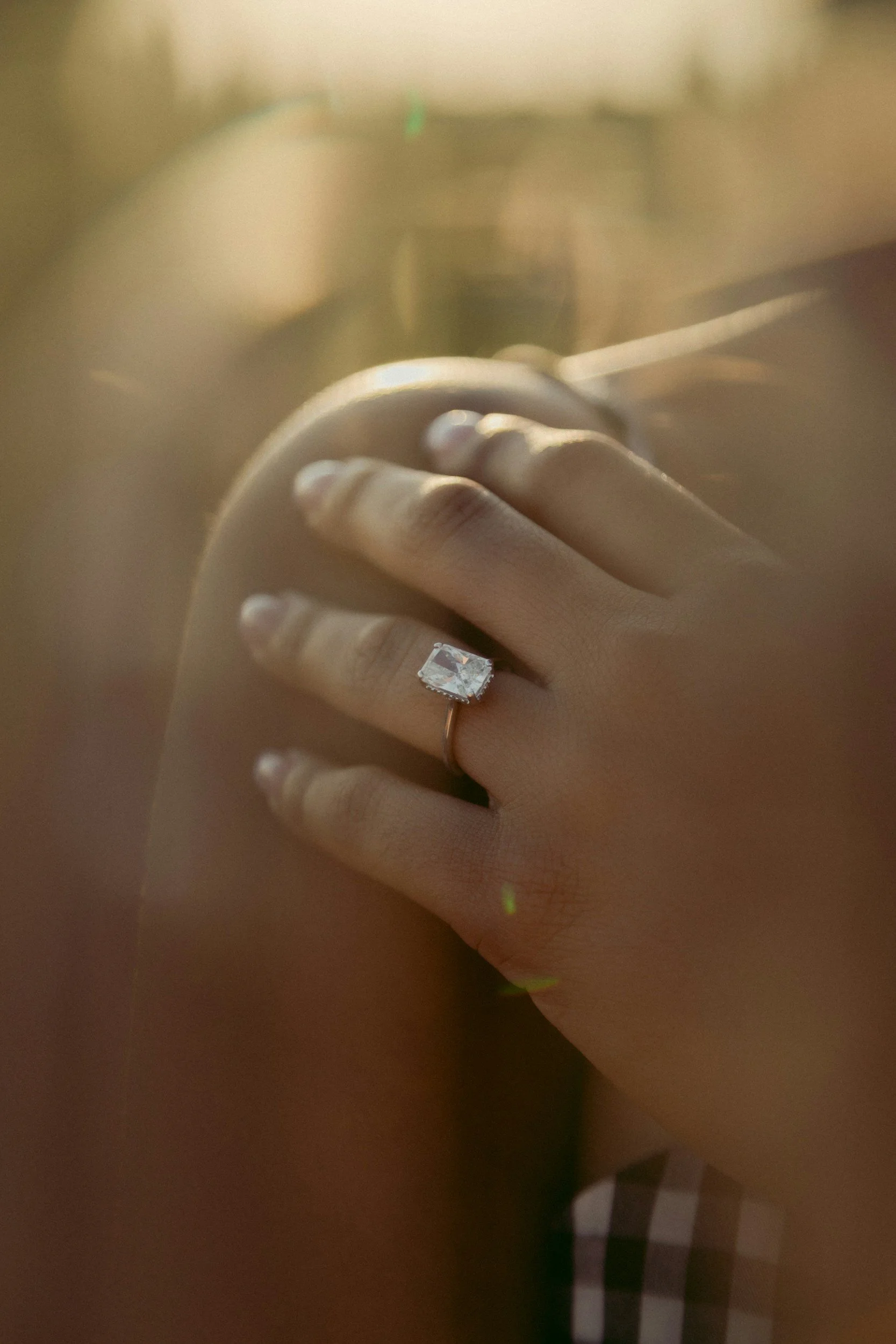
What an Upgrade Can Actually Involve
An upgrade doesn't have to mean starting over. It can mean:
Resetting the original center stone into a more substantial, current setting
Adding a bespoke band or ring jacket designed to sit beneath or around the original ring, framing it in a new context without altering it
Increasing the total carat weight across a redesigned setting to mark a specific milestone — some clients build in a carat for every year of marriage
Introducing color, engraving, or a completely different metal to reflect a shift in taste
The goal in every case is the same: the original piece isn't erased. It's given a new chapter.
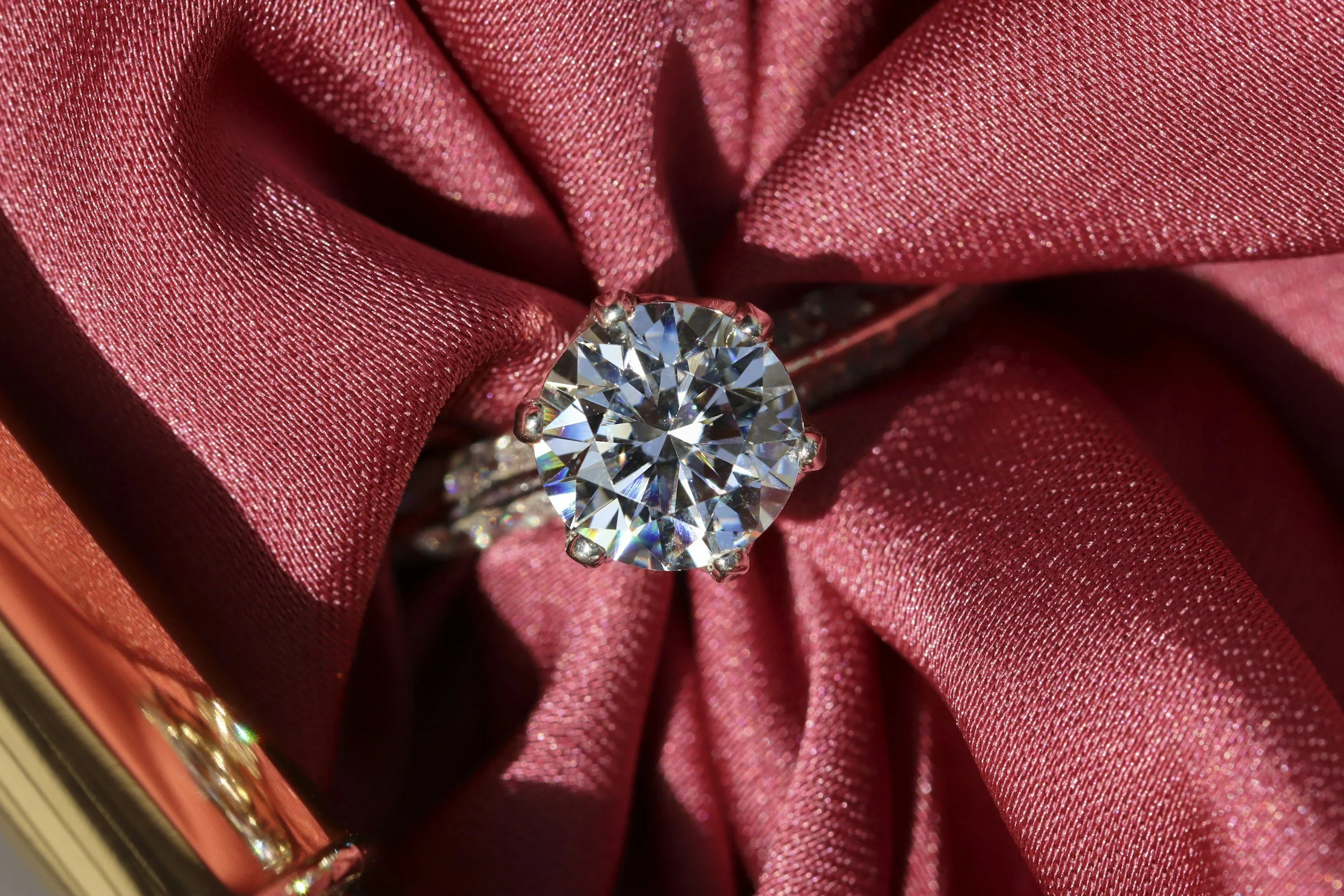
When We'd Tell You Not To
Not every upgrade is worth doing. If the only reason for a change is that a design trend has made the original ring feel dated, that's usually not enough reason on its own — trends fade, and a redesign chasing one will feel dated again in a few years. A worthwhile upgrade comes from something real: a milestone, a shift in how you live, a story that's actually changed. If that "why" isn't there, it's often better to wait.
If you're sitting on a ring you love but rarely wear the way you used to, that's usually the right moment to start this conversation — not after you've already decided exactly what the new version should look like.
Begin a private upgrade consultation, or read more about how to redesign an inherited ring without losing its meaning.