
Lab-Grown vs. Mined Diamonds for Custom Jewelry: An Honest Comparison
This is one of the most misunderstood debates in the industry, mostly because people are asking the wrong question. It isn't really "technology versus tradition." It's alignment — whether the diamond you're choosing actually matches what you're trying to accomplish.
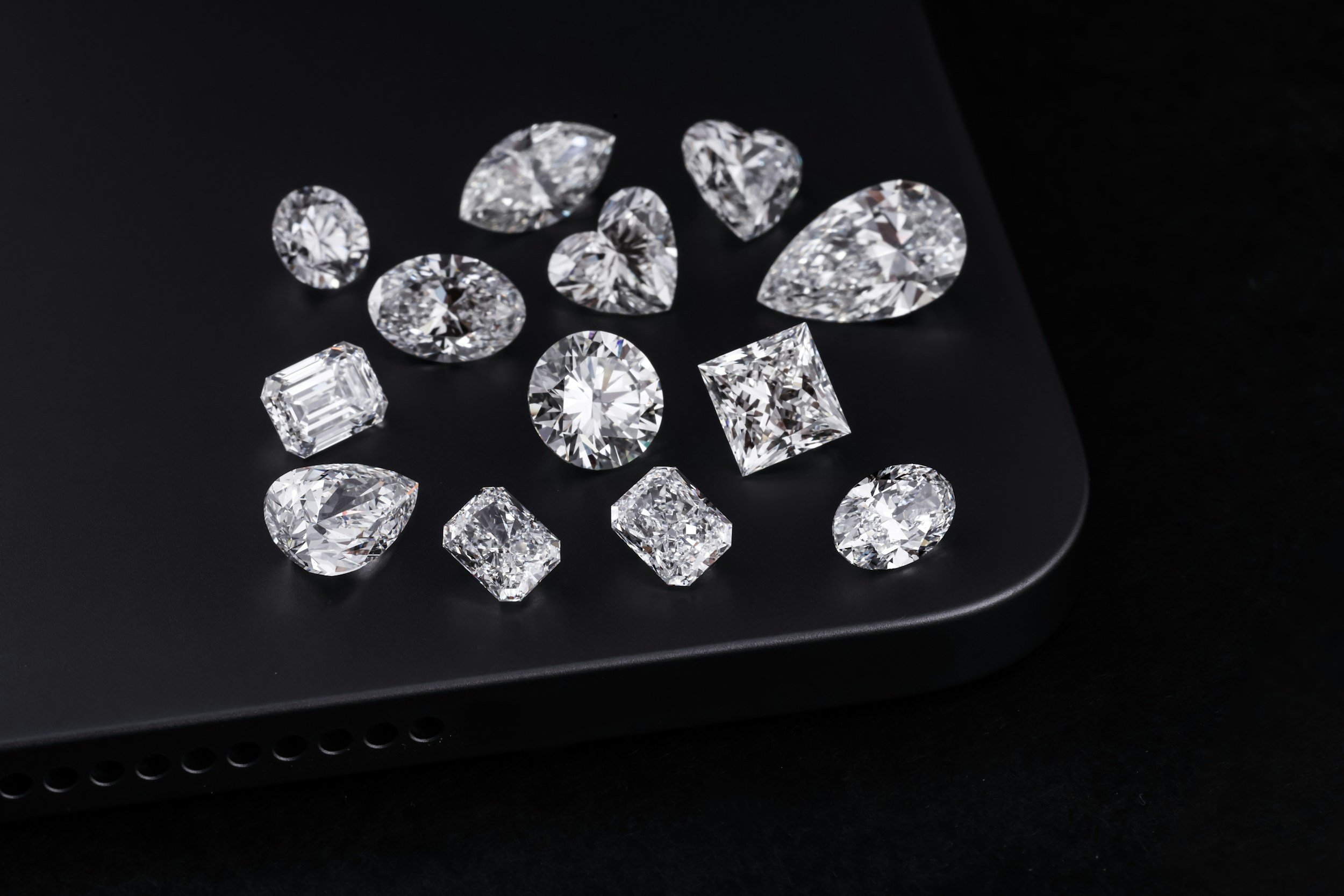
The Question We Ask Before Any Recommendation
Early in this work, we generally supported clients choosing lab-grown diamonds if it meant getting a larger stone within budget. Looking back, that advice wasn't wrong, exactly — it was incomplete, because it answered a narrower question than the one that actually mattered. Maximizing visual size for a given budget is one conversation. Building a piece meant to carry emotional and material significance across generations is a different one entirely. Both are legitimate goals. They just call for different materials.
So before we talk about diamonds, we talk about intent. What are you actually trying to build? A beautiful ring you'll love wearing? Or a future heirloom, something meant to still mean something to someone who never met you?
Where Lab-Grown Diamonds Make Sense
If the priority is size, sparkle, and value for the budget available today — not the diamond's value forty years from now — lab-grown is a completely reasonable choice. It offers the same optical and chemical properties as a natural diamond at a lower price point, which means more visual presence for the same spend.
Where Natural Diamonds Make Sense
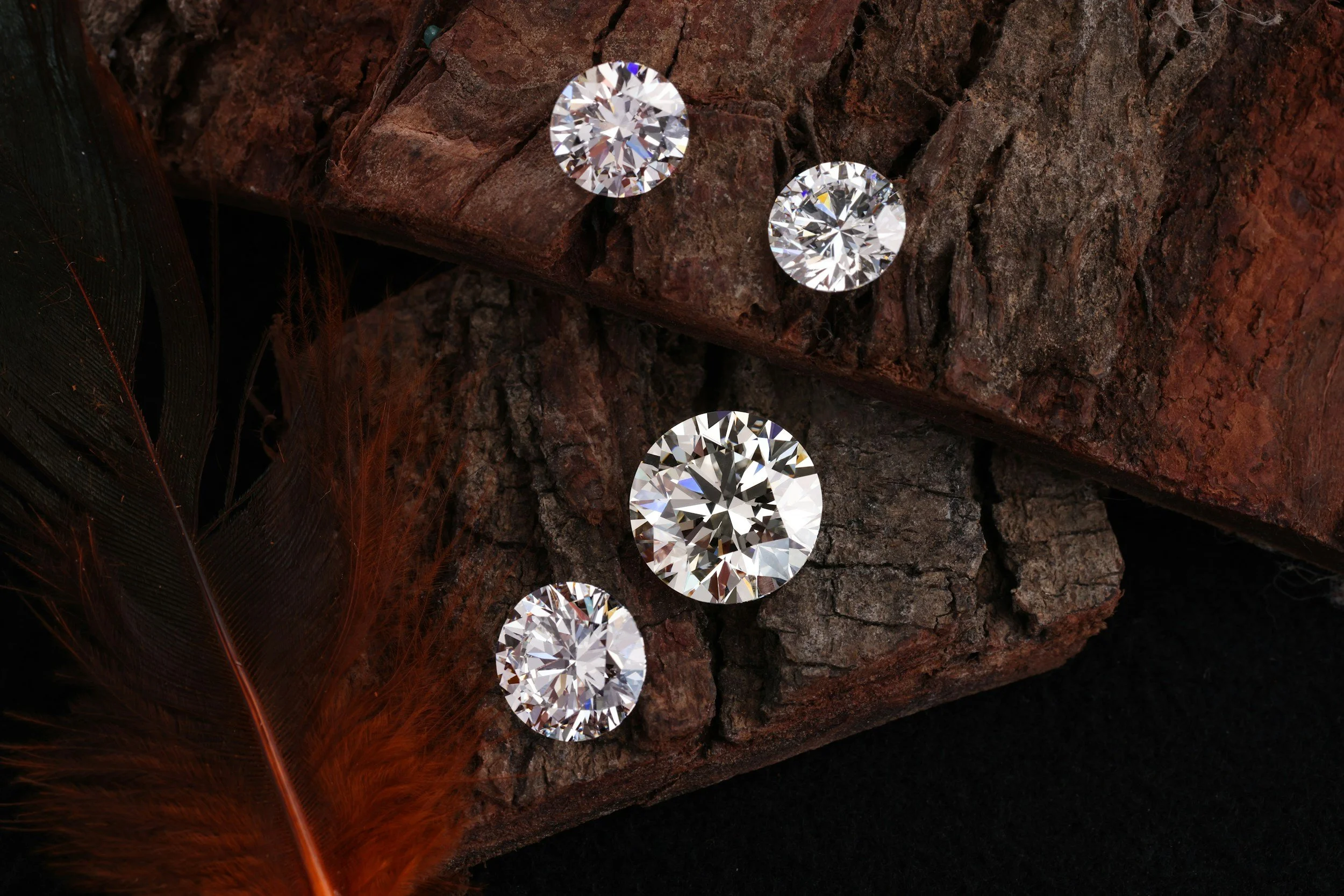
When the goal is building something meant to hold both emotional and material significance across generations, natural stones are typically where we land. A natural diamond carries billions of years of geological history and genuine physical scarcity — qualities tied to provenance, rarity, and heirloom significance, not a guarantee of financial appreciation. Historical scarcity and market value are not the same thing, and we're not going to tell you a natural stone is a financial investment. What it offers is a different kind of permanence: material that existed millions of years before your commission and will still exist long after it.
What People Get Wrong on Both Sides
The debate is full of marketing shortcuts standing in for actual substance.
On the lab-grown side, people often assume "lab-grown" automatically means ethical or low-impact. That's not guaranteed. Lab-grown does not automatically answer every ethical or environmental question — production methods, energy sources, manufacturing practices, and supply-chain transparency can vary significantly between producers, the same categories of concern people assume only apply to mined stones.
On the natural side, people often assume mined diamonds can't be verified or ethically sourced at all. That's also not accurate. With rigorous vendor vetting, sanctions screening, and independent lab documentation, natural sourcing can be entirely clean and transparent — it just requires actually doing the diligence, rather than accepting a supplier's word.
Neither Choice Is Automatically the "Right" One
We don't think there's a universally correct answer here, and we're not interested in selling you toward whichever option is more profitable. Clients deserve an honest answer to what they're actually trying to accomplish, not a sales pitch dressed up as ethics or a sales pitch dressed up as tradition.
If you want a nice design, real sparkle, and don't have an unlimited budget, a lab-grown diamond is a completely legitimate choice — and so is a natural sapphire or a well-cut moissanite, depending on what you're prioritizing. If your goal is a stone with real provenance and heirloom significance — something built to be passed down with its own history intact — that's a different conversation, and it usually leads toward a natural stone with strong documentation behind it.
How We Start This Conversation
Every commission starts by getting clear on what you're actually trying to preserve. Once that's established, the material choice tends to become obvious on its own — not because one option is objectively better, but because it becomes clear which one actually serves the story you're building.
If you're weighing this decision for your own commission, that's exactly the kind of conversation worth having before any stone gets sourced. Begin a private consultation, or read more about how we source gemstones for one-of-one commissions.