
Beyond the Four Cs
Why I Source Gemstones Like an Investigator, Not a Salesperson
The Four Cs are a useful place to begin. They're not where I stop.
For decades, the jewelry industry has taught consumers to evaluate gemstones the way they might compare appliances: cut, color, clarity, carat weight. Add a grading report, compare two stones side by side, and choose whichever scores higher. There's nothing wrong with that approach, it's just incomplete. A grading report tells you what a gemstone is. It doesn't tell you whether it's the right gemstone for the piece in front of you, and those are two very different questions.
When I source a stone for a custom commission, I'm not hunting for the highest number on a certificate. I'm looking for the stone that belongs in that specific piece. Sometimes that's the same stone. Often it isn't.
Beauty Isn't Always Perfect
One of the biggest misconceptions in fine jewelry is that perfection is always the goal. It isn't. I've turned down technically flawless stones because they felt lifeless, and fallen for gemstones with tiny natural characteristics most buyers would never even notice.
Not every inclusion is a flaw. Sometimes it's a fingerprint. Natural gemstones spent millions of years forming under extraordinary heat and pressure, and no two emerge with the same internal landscape. Those subtle differences change how light moves through a stone, which changes its personality and how it feels to wear.
That said, not every imperfection deserves to be celebrated, and there's a real difference between character and compromise. A surface-reaching fracture isn't charming, it's a structural weakness. An inclusion positioned where daily wear could threaten the stone's integrity isn't romantic, it's a problem. Knowing the difference is the actual job.
I Don't Buy Paperwork. I Verify It.
Alongside running Gerard Rene, I still work in anti-money laundering compliance, financial crimes, sanctions, and regulatory risk, a field I've built my career in for more than a decade and continue to practice in today. I hold a law degree from New York Law School, though I'm not a practicing attorney; the compliance work and the atelier run in parallel, not one before the other.
That world has permanently shaped how I evaluate information. In compliance, trust isn't built on confidence, it's built on verification. Documentation isn't optional. Claims aren't accepted simply because someone makes them. Everything has to withstand scrutiny.
That mindset followed me directly into gemstone sourcing. When a supplier tells me a stone is ethically sourced, my first question isn't "that's wonderful," it's "can you substantiate that?" A laboratory report isn't a marketing document to me, it's independent verification. If a supplier can't clearly explain provenance, treatment history, or documentation, I get cautious, not because I assume dishonesty, but because uncertainty itself carries risk. My clients trust me with acquisitions that may stay in their families for generations. That trust deserves diligence.
Know Your Vendor
People often ask how I choose suppliers, and the answer usually surprises them: price is rarely my first consideration.
I want to know who a vendor has worked with, who trusts them, and how long those relationships have existed. If I ask for documentation, do they provide it immediately, or become defensive? Do they respond consistently, or only when they're trying to close a sale? I also pay attention to how they evaluate me. The best suppliers don't work with everyone; they run their own diligence, verify identities, and protect their own businesses. That's a good sign. Strong standards tend to exist on both sides of a relationship.
I call this my Know Your Vendor standard, a compliance principle borrowed from my other career and applied directly to how I source materials for one-of-one commissions. It's one of the quieter parts of our process, but it's the part that protects every commission long after it leaves the workbench.
Provenance Matters, But Not in the Way Most People Think
Clients sometimes assume provenance automatically makes a gemstone more meaningful. Not necessarily. The beauty of the stone comes first; a remarkable gemstone doesn't need an extraordinary origin story to deserve admiration. But when reliable provenance is available, it becomes another layer of meaning. Knowing exactly where a gemstone came from, who handled it, and how it moved through the supply chain doesn't replace beauty, it enriches it, the same way knowing the history of a painting doesn't change how it looks, only how deeply you appreciate it.
The Questions Collectors Rarely Ask
Many collectors know to ask whether a gemstone has been treated. Few ask what kind of treatment was used, and that distinction matters. Take emeralds: minor clarity enhancement is common and widely accepted, but not all enhancement methods behave the same way. Traditional cedarwood oil has been used for generations and is stable and well understood. Certain modern polymers and resins behave very differently. They can discolor, cloud, or become difficult to remove without damaging the stone. The word "treated" doesn't tell you enough; the method and its long-term implications do.
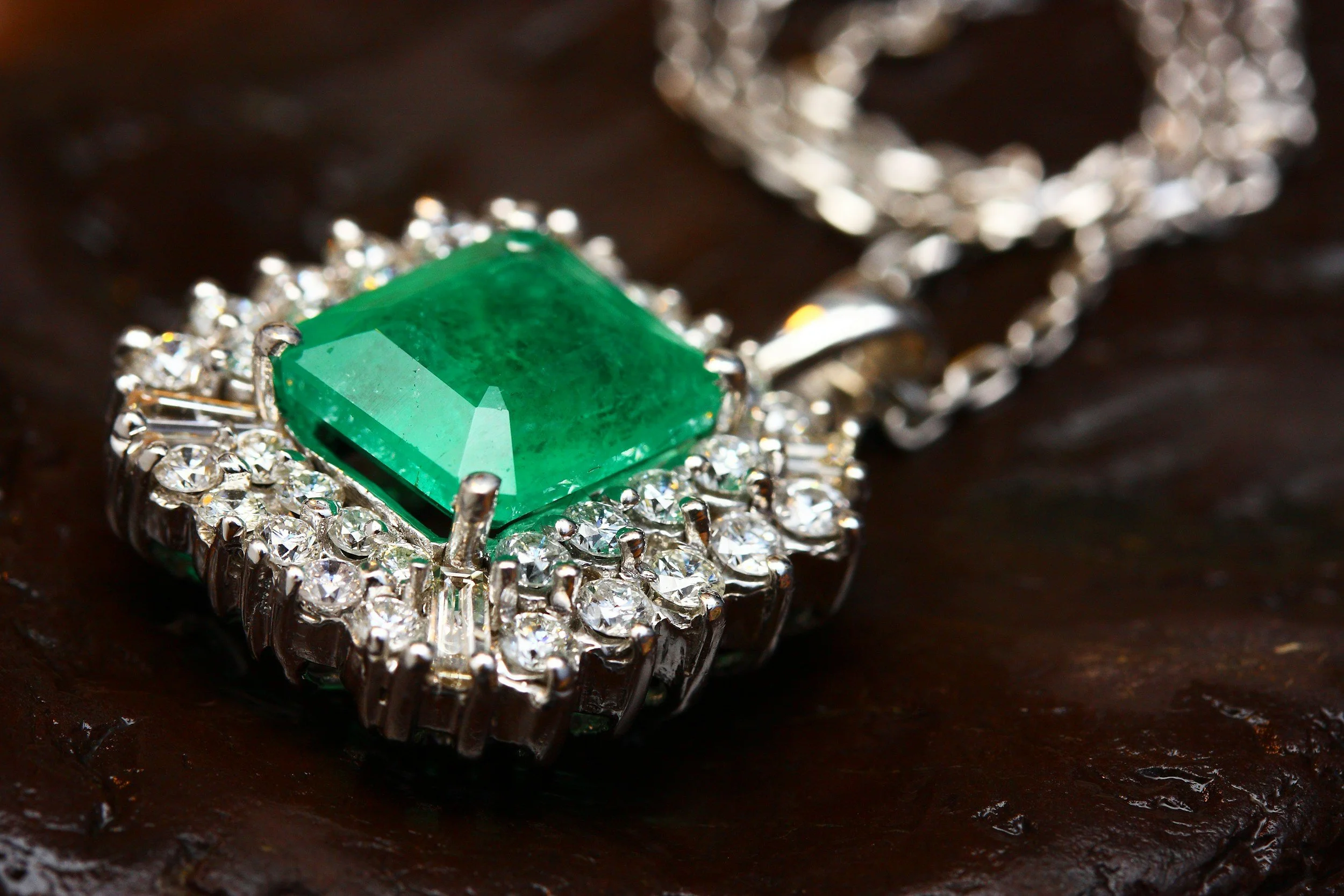
The same goes for inclusions. Not all of them affect durability equally. A feather buried safely within a gemstone may never cause a problem. A fracture reaching the surface is another story entirely, and understanding that difference can mean the gap between enjoying a piece for decades and facing avoidable repairs.
Sometimes the Right Stone Costs Less
People often assume a more expensive gemstone is automatically the better choice. That's rarely how I approach sourcing. If a client wants something quiet and understated, the largest available center stone may overwhelm the design. If someone lives an active lifestyle, a beautiful but fragile stone may not be the wisest recommendation. I've recommended smaller diamonds, different cuts, and lower-priced alternatives, not because they're cheaper, but because they're more truthful to the piece and the person wearing it. The goal isn't maximizing budget. It's maximizing meaning.
Beyond the Certificate
The Four Cs remain valuable. They're part of the conversation, just not the whole conversation. A gemstone is more than a set of measurable characteristics. It's a material that existed for millions of years before either of us ever saw it, and it deserves both technical discipline and human sensitivity.
My years in regulatory compliance taught me to verify what can be verified. Jewelry taught me that not everything that matters can be measured. The best commissions happen where those two worlds meet, where evidence satisfies the mind, beauty satisfies the eye, and meaning satisfies the heart. That's the point a gemstone stops being inventory and becomes irreplaceable.
If sourcing a gemstone for your own custom commission is something you're considering, I'd welcome that conversation.