
Colored Gemstone Engagement Rings: What to Know Before You Commission One
Choosing a colored gemstone over a diamond isn't just an aesthetic decision — it changes several things about how the ring should be designed, worn, and cared for. Before committing to a center stone, it's worth understanding what actually shifts.
Durability Isn't the Same Across Every Stone
Diamonds rank hardest on the Mohs scale of any natural material, which is part of why they became the default engagement stone in the first place. But hardness alone doesn't determine how well a stone actually holds up — toughness, cleavage planes, how the stone is set, typical treatments, and how the wearer actually lives with the piece all factor in just as much.
Sapphires and rubies are extremely durable and genuinely well-suited to daily wear, both in hardness and toughness. Emeralds are a more nuanced case: their durability concerns come less from hardness and more from natural inclusions and the clarity treatments most emeralds receive, which can make them more vulnerable to impact than their hardness rating alone would suggest. Morganite isn't automatically unsuitable for daily wear either — with a protective setting and reasonable care, it can hold up well; the real variables are how it's set and how the wearer actually treats it day to day, not a blanket rule about the stone itself.
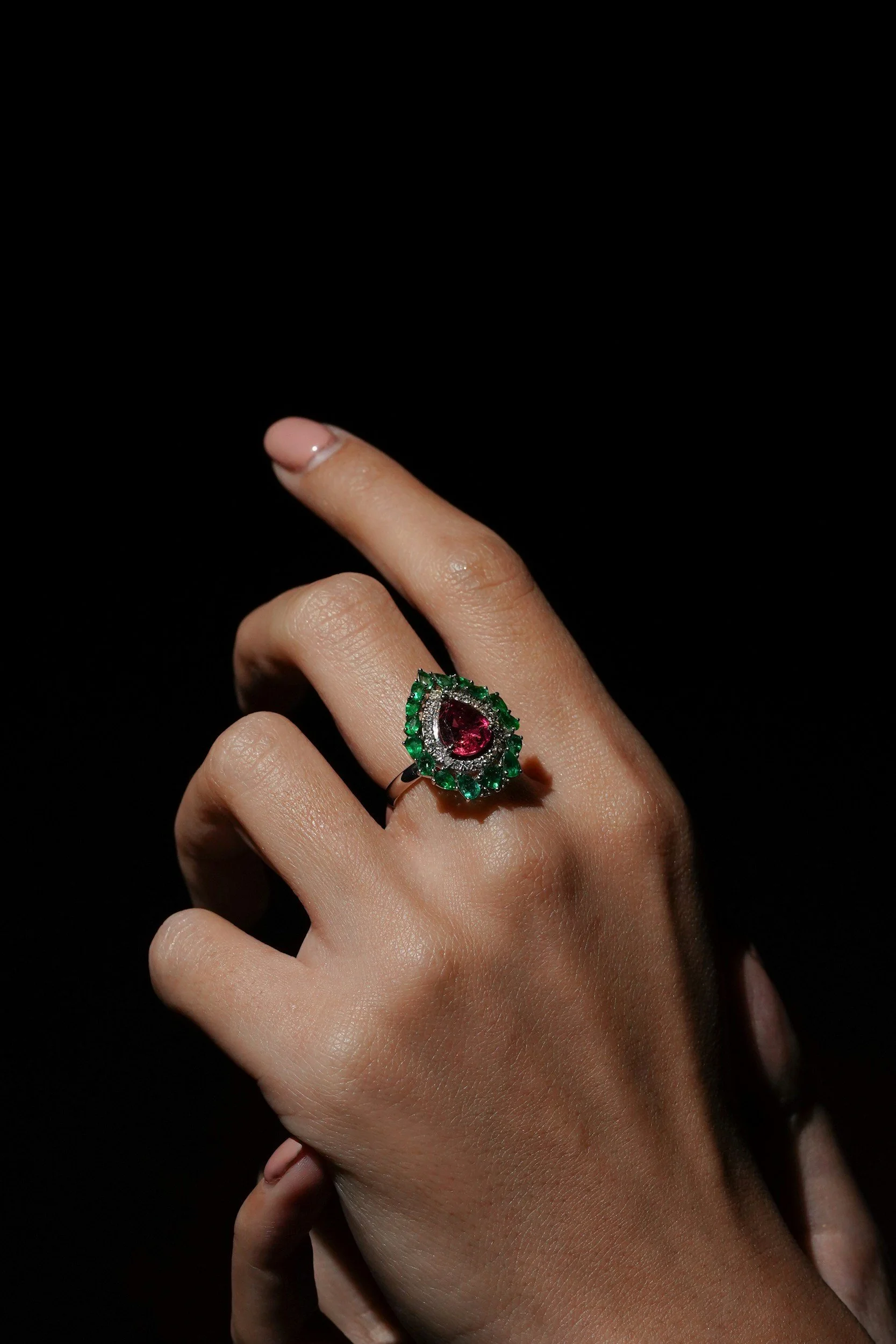
None of this means a softer or more delicate stone is off the table — it just means going in with clear, accurate expectations about how to protect it, rather than a generic durability chart that flattens real differences between stones.
If You Already Know Which Stone You Want
If you're set on a specific colored gemstone — an emerald, a morganite, a particular sapphire — that's exactly what gets built. The design process centers on making sure you understand that stone's physical characteristics and daily care requirements clearly enough that living with it feels effortless rather than anxiety-inducing.
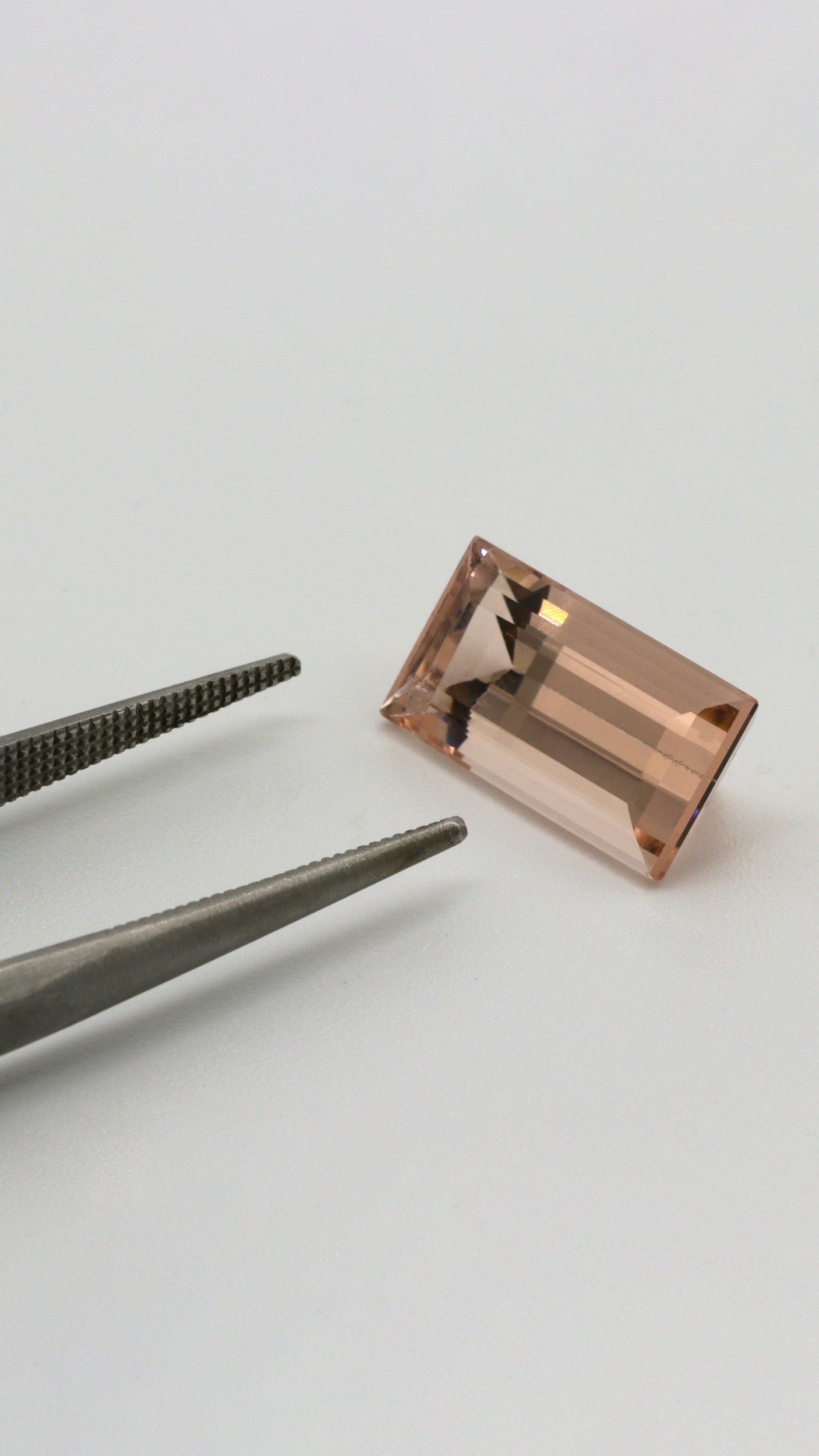
If You Just Know You Want "Something That Isn't a Diamond"
This is a more common starting point than people expect, and it's a perfectly good one. If a client isn't attached to a specific stone but knows they want, say, a pink stone that isn't a diamond, that opens up options like pink sapphire, pink spinel, or a light ruby — stones that deliver a similar color family with significantly more durability for daily wear than some of the softer, more fashionable alternatives.
Color Becomes the Design's Primary Language
With a diamond, the design conversation centers on cut, brilliance, and setting. With a colored center stone, color becomes the organizing principle of the entire piece — which changes how every other decision gets made.
Metal tone matters more. The warmth of 18k yellow gold can deepen the richness of an emerald in a way white metal doesn't. Platinum tends to make a saturated blue sapphire look crisp and architectural, rather than warm. Rose gold can soften an otherwise formal stone into something quieter. None of these pairings are automatic — they're decisions made specifically around the stone you've chosen.
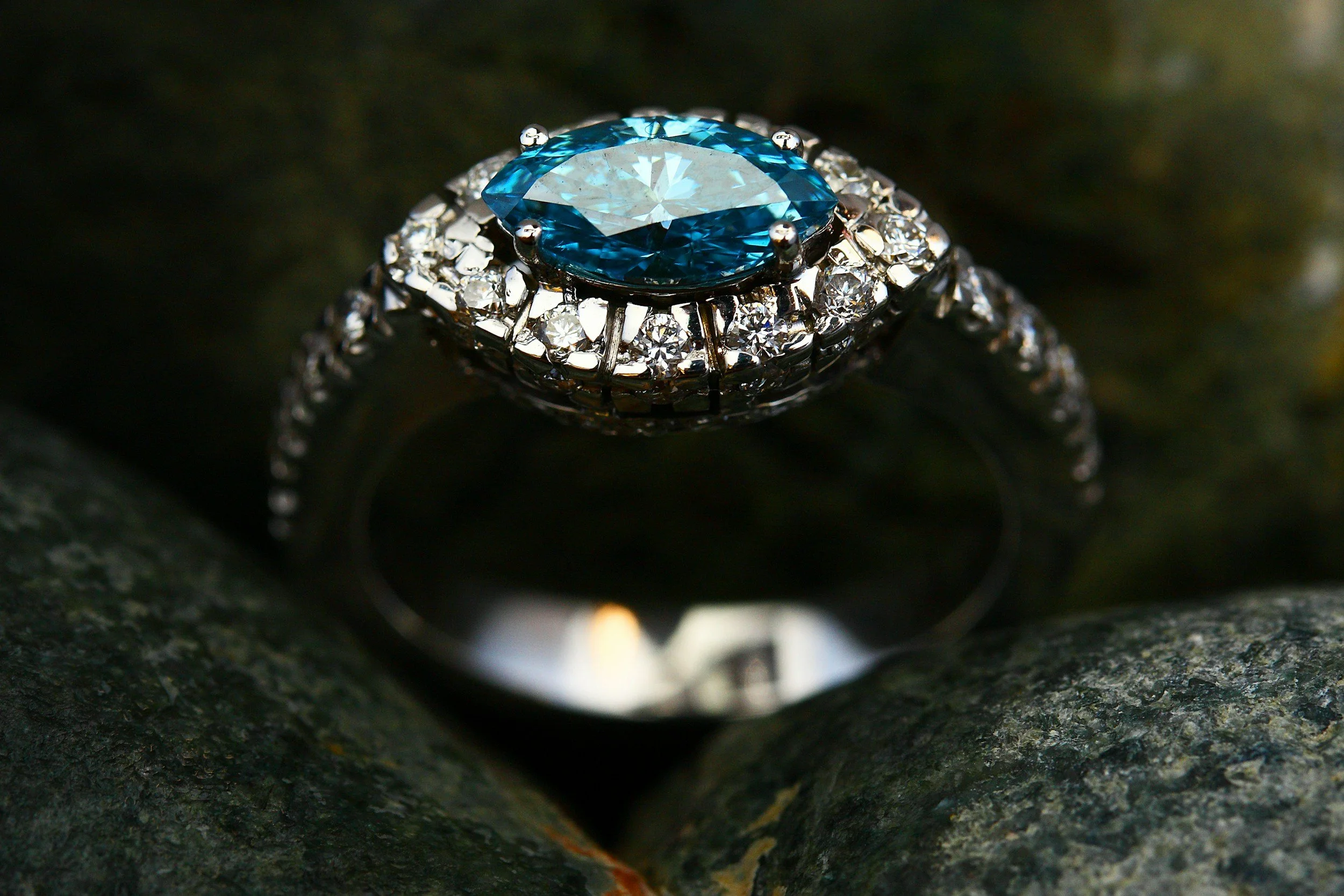
Why a Colored Stone Often Feels More Personal
A colorless diamond, however beautifully cut, tends to read as a conventional choice — recognizable, expected, safe. A colored center stone shifts the piece away from that default entirely. It becomes an intentional, specific statement about mood, heritage, or meaning, rather than a piece that could belong to almost anyone.
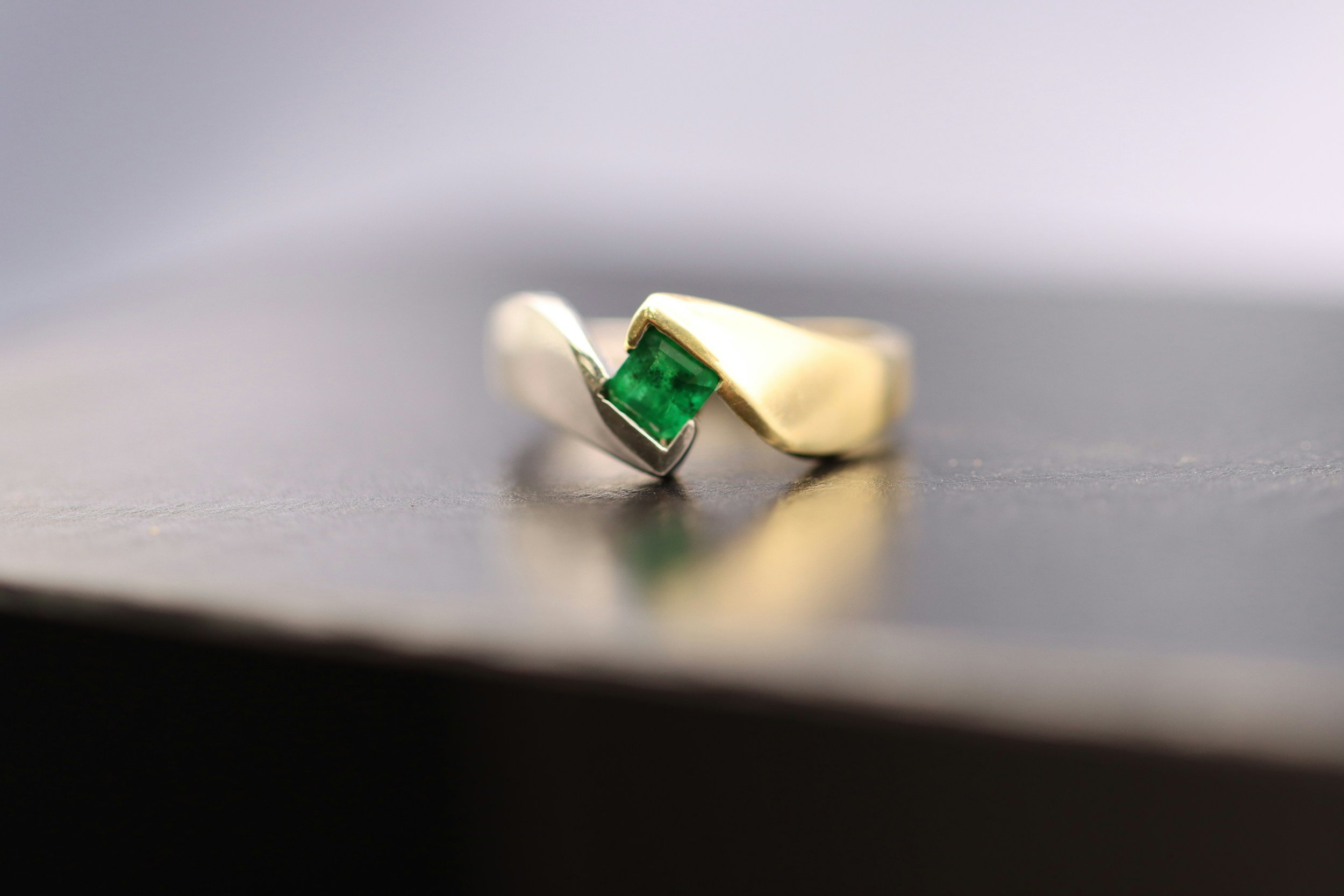
That's often the actual draw for clients who choose color: not that they dislike diamonds, but that they want the ring to say something more specific about who they are.
Treatment Isn't Automatically a Red Flag
Most colored gemstones on the market have been treated in some way — heat treatment for sapphires, clarity enhancement for emeralds, and so on. Treatment by itself isn't a defect. The real question is whether it's disclosed, whether it's stable over time, and whether it's compatible with how you actually intend to wear and care for the stone. An emerald with well-documented, traditional oil enhancement can be a completely sound, long-term choice. The same stone with an undisclosed or unstable treatment is a very different proposition. Knowing the difference — and asking about it directly — matters more than avoiding treated stones altogether.
How the Stone Shapes the Actual Design
A colored gemstone's specific characteristics don't just affect which stone you choose — they shape how the entire piece needs to be engineered around it. This is where a lot of the real design thinking happens, and it's easy to overlook if you're only comparing stones on paper.
Bezel versus prong protection. A more delicate or inclusion-prone stone often benefits from a full or partial bezel, which shields the girdle and edges from daily impact in a way open prongs can't.
Stone orientation. Certain cuts and inclusion patterns hold up better oriented one way over another — this is a judgment call made stone by stone, not a fixed rule.
Exposed corners. Pointed shapes like pear, marquise, or emerald-cut stones are more vulnerable at their corners, which often calls for reinforced prongs or protective metalwork specifically at those points.
Setting height. A lower-set stone sits closer to the finger and is naturally less exposed to catching or impact than a high-set stone, which matters more for someone with an active day-to-day life.
Cleaning restrictions. Certain treatments can't tolerate ultrasonic cleaners or certain chemicals, which affects not just how the stone is maintained after the ring is finished, but sometimes how it can be safely cleaned during fabrication itself.
We'll sometimes recommend against a particular stone for a specific client's lifestyle — not because the stone isn't beautiful, but because the honest answer is that it won't hold up the way they'd want it to. That judgment call is part of what a real consultation is for.
What to Ask Before You Commit
Is this stone durable enough for how I actually live day to day?
What treatments, if any, does this stone commonly have, and are they stable, disclosed, and compatible with how I'll wear and care for it?
How will the metal tone I'm considering interact with this stone's color?
Does the design protect this specific stone's vulnerable points — corners, girdle, inclusions — or is it purely decorative?
Am I choosing this stone because I love it, or because it's currently trending — and does that distinction matter to me?
If you're weighing a colored gemstone for your own commission, that decision is worth working through with someone who can walk you through the specific stone's character, not a generic durability chart. Begin a private consultation, or read more about how we source gemstones for one-of-one commissions.